


A Guide to Aerial Brand Storytelling That Lands
A guide to aerial brand storytelling for events that turn a drone light show into a branded moment built for crowds, cameras, and lasting recall at scale.
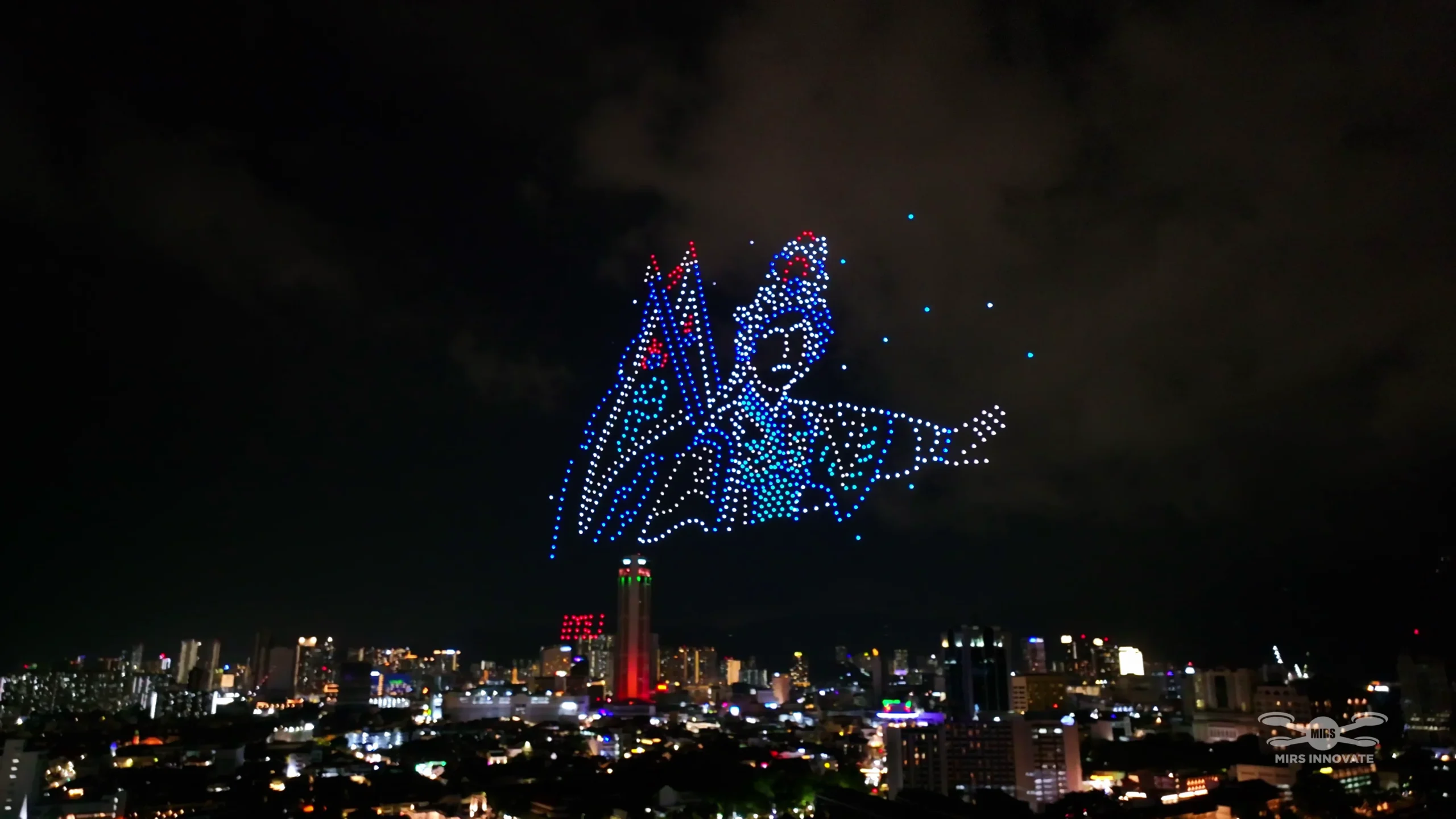
A logo floating above an event can be memorable, but it is not automatically meaningful. The strongest drone light shows do more than display a brand mark in the sky. They build anticipation, reveal an idea, and give the audience one visual moment worth recording and sharing.
For a product launch, national celebration, destination campaign, or luxury private event, the sky offers a stage with no competing signage and no fixed boundaries. The question is not whether drones can form your logo. They can. The strategic question is what your audience should feel before they see it, when it appears, and after the final drone lands.
Why aerial storytelling earns attention
Audiences have seen LED walls, pyrotechnics, projection mapping, and celebrity entrances. Those formats still have a place, but familiarity reduces surprise. A drone light show changes the physical scale of the event experience. It lifts the story above the crowd, transforms open air into a branded canvas, and creates a shared viewing angle that works for guests, press, and cameras.
That reach matters because modern event value extends beyond the site itself. A well-designed aerial sequence can create the hero footage for social channels, broadcast coverage, recap films, and earned media. The spectacle pulls attention in the moment; the narrative gives the footage a reason to travel afterward.
Drone storytelling also provides a more controlled alternative to conventional fireworks in many settings. It does not produce fire, smoke, or the same level of explosive noise, and every formation is pre-programmed to support the creative brief. However, it is not a universal replacement. Weather, flight-zone restrictions, venue sightlines, and local regulations will shape what is possible. Good results come from designing the story around those realities early, not treating them as production details at the end.
Start with one audience takeaway
Before discussing fleet size, color palettes, or animation styles, define the single thought the audience should leave with. A new vehicle launch may need to communicate speed, confidence, and a break from convention. A tourism authority may want visitors to associate a destination with wonder, heritage, and a reason to return. A corporate anniversary may need to honor the past while presenting a credible vision of the future.
The message should be simple enough to understand at a distance. The sky is an extraordinary storytelling surface, but it is not a presentation slide. If a concept requires paragraphs of explanation, it will lose power once viewed from a field, waterfront, stadium, or city square.
A useful creative test is this: if someone watches a 15-second clip with no sound, can they identify the emotional shift and the central brand idea? If not, simplify the visual narrative. The clearest concepts often outperform the busiest ones.
Build a story arc, not a sequence of assets
Aerial brand storytelling is most effective when it has rhythm. The audience should sense that something is developing rather than watching disconnected images arrive one after another. A short show can still create this progression through three clear movements: anticipation, transformation, and signature.
Anticipation begins with movement that creates curiosity. A field of lights might rise gradually, pulse like a heartbeat, trace a horizon, or gather from scattered points into a recognizable shape. This opening gives guests time to look up and makes the eventual reveal feel earned.
Transformation is where the brand story gains meaning. Instead of moving directly from an opening pattern to a logo, use visual symbols that express the idea behind the event. A mobility brand might turn a road into a flowing line of energy, then a vehicle silhouette, then a future-facing icon. A destination might move from native wildlife to architectural landmarks to a message that invites the world in.
The signature is the final moment people wait to capture. It may be a logo, a product, a launch date, a campaign line, or a national symbol. It should be visually clean, generously paced, and held long enough for the audience to understand it and for cameras to frame it. The best final image does not feel inserted. It feels like the inevitable result of everything that came before it.
Let motion carry the meaning
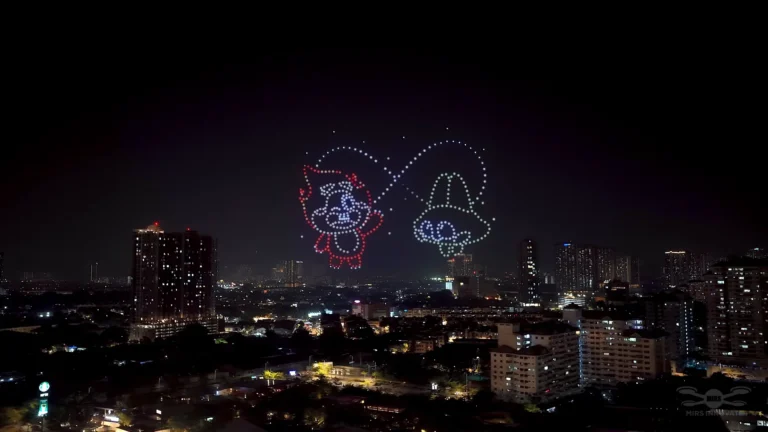
Formations matter, but the transitions between them often create the stronger emotional response. A thousand drones shifting from a constellation into a crown, a wave, a wing, or a recognizable product form communicates transformation in a way a static image cannot.
This is where creative ambition needs production discipline. Fine details may look impressive in a desktop animation but disappear at long viewing distances. Thin lettering, dense visual textures, and overly rapid transitions can weaken legibility. Aerial design must account for audience placement, altitude, ambient light, camera perspective, and the number of drones available for the show.
Design for the venue and the camera
A great concept can underperform if it ignores how people will actually experience it. A waterfront audience may have wide, open sightlines and natural reflective surfaces. A stadium provides a contained viewing environment but can impose strict flight and lighting considerations. A rooftop event may call for an intimate, vertical composition rather than a massive horizontal panorama.
The audience’s primary view should guide the formation design. If guests are spread across a large festival ground, the show must read clearly from multiple angles. If the event has a defined VIP terrace and a broadcast camera position, the composition can be more deliberately choreographed for those sightlines. This is not a compromise. It is how spectacle becomes precise.
Camera planning deserves equal attention. The live audience needs scale and clarity, while video needs revealing movement, readable branding, and a final frame that functions as a powerful campaign asset. Coordinate the production timeline so that key reveals are not blocked by stage lighting changes, crowd movement, or competing program elements.
Make the brand visible without making the show feel like an ad
The most shareable branded experiences lead with emotion and reward viewers with recognition. Showing a logo repeatedly may satisfy internal stakeholders, but it rarely creates a story guests want to post. The stronger approach is to build the brand into the visual language from the start.
Use brand colors with intention, especially when they support the atmosphere of the event. Translate a recognizable icon into an aerial motif. Bring product attributes to life through movement. If the brand stands for precision, let the choreography feel exact. If it stands for adventure, create expansive motion, surprise, and discovery.
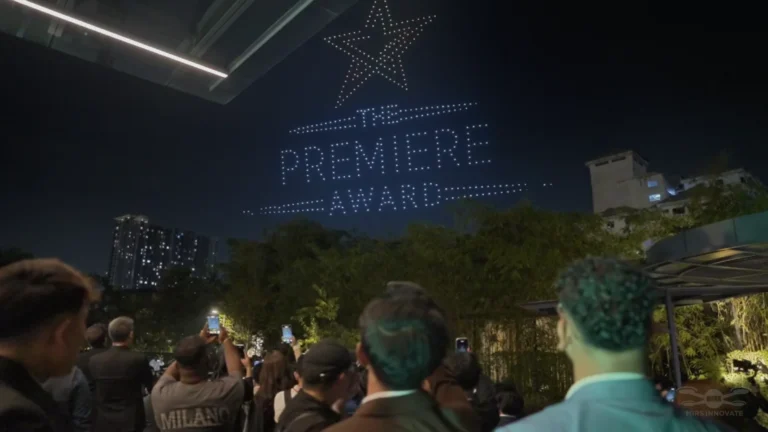
Text should be used sparingly. Short words, dates, and campaign lines can perform beautifully when they are large, high contrast, and positioned for the audience viewpoint. Long statements generally belong in supporting screens, event messaging, or post-event content. The sky is best at making a statement, not delivering a paragraph.
Treat technical planning as part of the creative advantage
A drone show is a live aviation operation as well as a creative performance. Airspace assessment, permits, weather monitoring, site planning, safety zones, communications, battery management, and on-site flight execution determine whether a concept can perform at its full potential.
That is why early collaboration changes the final result. When creative, event, venue, and drone production teams work together from the beginning, they can protect the strongest reveal, choose the right launch location, set realistic timing, and establish contingency plans. Waiting until the creative is approved to consider operational constraints can force avoidable changes later.
MIRS Drone Show approaches this as end-to-end experience design, aligning custom animation with aviation coordination and on-site execution. For event leaders, that integrated responsibility reduces friction across the production process and keeps the focus on the audience outcome.
Measure more than applause
Applause is a valuable signal, but high-visibility events need broader evidence of impact. Establish success measures before the show is designed. Depending on the campaign, that may include attendance, press pickup, social video views, branded hashtag use, dwell time, VIP feedback, lead capture, or post-event sentiment.
Not every show needs to chase the same metric. A government celebration may prioritize civic pride and safe public attendance. A brand launch may prioritize media footage and social reach. A private celebration may value exclusivity and a deeply personal final reveal. The creative direction, duration, and production scale should follow that objective.
The sky gives brands a clear way to make a message visible at scale. Give it a story that suits the space. When the final formation rises, it should feel like the defining image of the event, and one guests want to capture and share.
Plan an aerial brand story with MIRS
Build the sequence around one clear audience takeaway, then test it against the venue and flight plan. See aerial branding ideas for events, explore drone storytelling ideas, or contact MIRS Drone Show to discuss a campaign or launch.
Frequently asked questions
What is aerial brand storytelling?
Aerial brand storytelling uses drone formations, movement, colour, and a final reveal to communicate a brand idea during a live event.
Can a drone show tell a brand story without relying on text?
Yes. Motion, symbols, products, landmarks, and colour can carry the idea. Short text can help at the final reveal, but the main story should be easy to understand visually.
How should a brand choose the final aerial reveal?
Choose the image that best expresses the event objective and can be read clearly from the audience position and on camera. It may be a logo, product, campaign line, or signature symbol.
What needs to be planned before creating an aerial brand story?
Plan the audience takeaway, venue sightlines, flight area, launch location, operating approvals, weather contingency, timing in the event programme, and the footage needed after the event.
Planning a drone show?
MIRS Drone Show creates bespoke drone light shows for corporate events, launches, celebrations and festivals, with creative and operational planning tailored to each venue and project.