



Drone Light Show Cost: What Shapes the Budget
Drone light show cost depends on fleet size, creative scope, location, permits, and production. See what turns a sky show into a landmark event tonight.
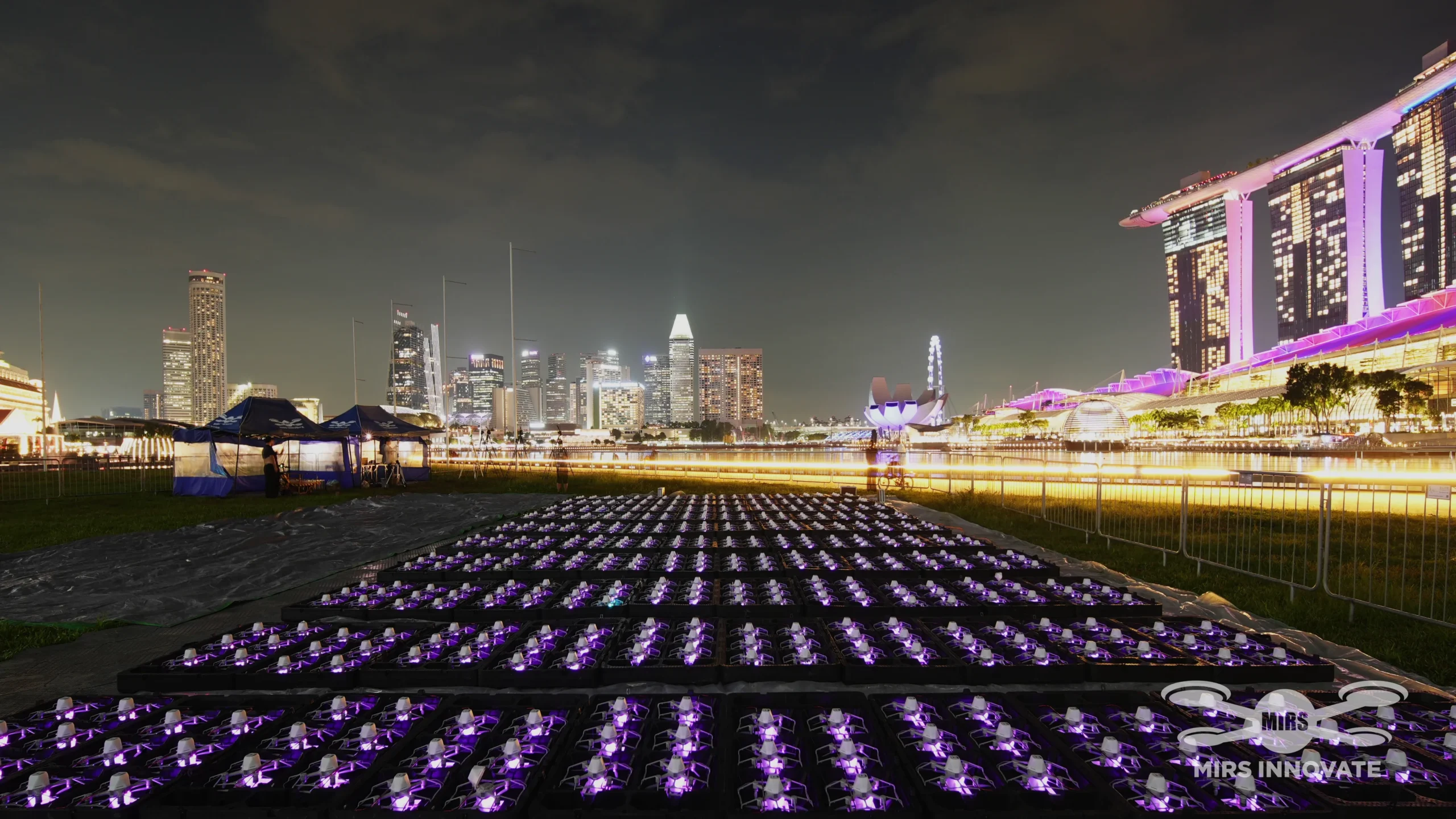
A memorable aerial performance is not purchased by the minute. Drone light show cost reflects the work required to turn open sky into a precisely choreographed brand moment, public celebration, or private spectacle. For event leaders, the better question is not simply, “What does it cost?” but “What scale of impact, control, and creative ownership does the investment create?”
A drone show can place a product launch above a city skyline, animate a tourism campaign over a waterfront, or give a wedding finale an image no guest will forget. The budget changes with that ambition. Understanding the cost drivers early helps organizers set a realistic brief, select the right production scale, and protect the one thing no event can afford to lose: confidence on show night.
What Is Included in Drone Light Show Cost?
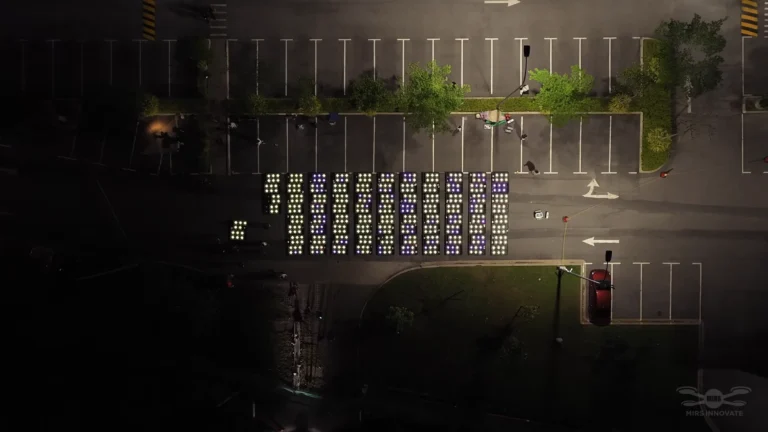
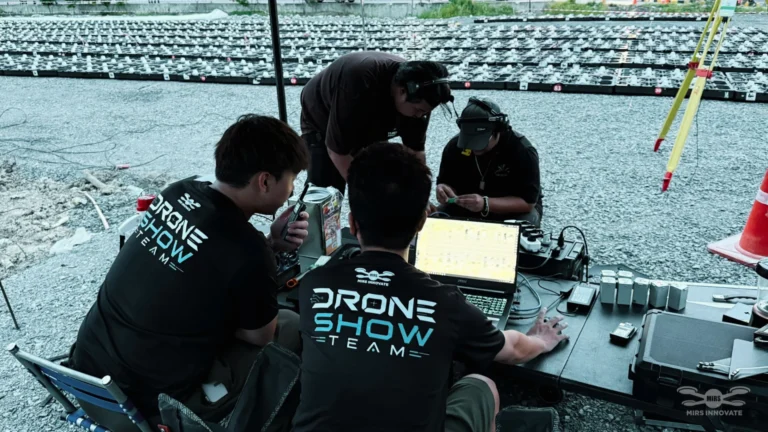
A professional drone show is a live production, not a fleet rental. The visible performance may last 10 to 15 minutes, but it is supported by creative direction, 3D animation, flight engineering, regulatory planning, logistics, site operations, safety systems, and experienced pilots and technicians.
The production team develops every formation around the event’s story. That might mean translating a logo into a high-resolution aerial image, designing a countdown sequence for a stadium launch, or building animated scenes around a national celebration. Each visual must be programmed with safe drone spacing, flight paths, battery planning, and timing down to the second.
A turnkey partner also manages the operational details that can determine whether a show is possible at a chosen venue. Airspace review, local permissions, site surveys, weather protocols, transport, security coordination, and launch-zone requirements all belong in the planning conversation. MIRS Drone Show approaches these elements as one integrated production system, so the creative promise and operational plan are built together.
The Main Factors That Shape a Drone Show Budget
There is no meaningful one-size-fits-all price because no two event environments or creative briefs are the same. A modest reveal at a private estate and a citywide New Year’s spectacle may use the same technology, yet they demand very different fleets, teams, approvals, and infrastructure.
Fleet size and visual resolution
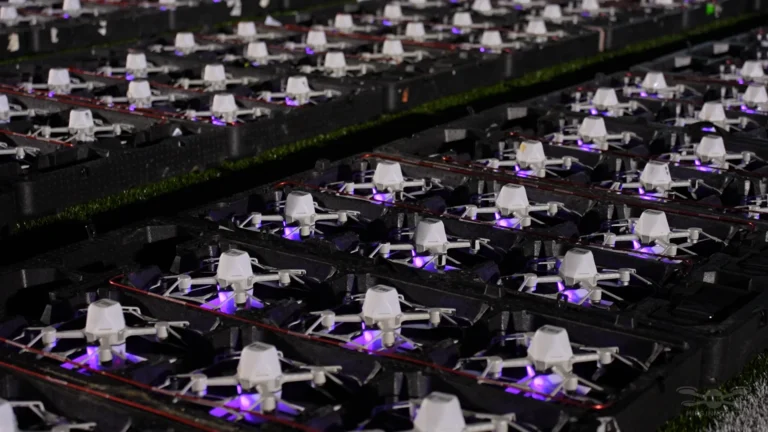
Fleet size is usually the most visible cost variable. More drones create more detail, larger images, smoother animation, and greater viewing distance. A smaller fleet can deliver elegant symbols, initials, simple logos, and short messages. It is often ideal for luxury private events and targeted brand moments.
Larger fleets allow producers to create detailed product forms, legible copy, character animation, flags, landmarks, and layered 3D effects. For a major public event, that additional resolution matters. A visual that reads clearly to a VIP terrace may need hundreds more aircraft to remain powerful across a waterfront, festival field, or stadium district.
The right question is not whether a larger fleet is better. It is whether the fleet is large enough to make the intended idea unmistakable from the audience’s actual viewing area.
Creative complexity and show length
A single dramatic logo reveal requires less design and programming than a fully animated narrative with multiple scenes, transitions, and custom brand assets. The number of formations matters, but so does what happens between them. Fluid movement, morphing objects, kinetic typography, and detailed 3D sequences take more production time than static images.
Show duration also affects the scope. A short, high-impact finale can be the right choice when the drone display follows a concert or fireworks program. A longer performance may be warranted when the drones are the evening’s central attraction. In either case, the strongest productions avoid filling the sky with visuals simply because they can. Every scene should earn attention and advance the event story.
Location, airspace, and permitting
The event site can materially change the budget. Urban settings, waterfronts, airports, protected areas, dense crowds, and high-security locations may require deeper coordination, additional documentation, or more restrictive operating windows. International events can add customs planning, local aviation requirements, and in-country logistical support.
This is where an experienced production partner delivers value beyond the spectacle. A beautiful storyboard is only useful if it can be executed safely and legally at the selected venue. Early site assessment prevents late-stage surprises, such as a launch area that is too small, a flight zone that conflicts with nearby airspace, or a viewing layout that weakens the visual impact.
Travel, logistics, and on-site infrastructure
Drone fleets and ground-control systems must arrive on site, be secured, tested, staged, and operated within a controlled launch environment. The travel distance, access conditions, local power needs, crew accommodations, freight requirements, and installation schedule all influence the final scope.
A remote destination can be an extraordinary setting for an aerial performance, but it requires disciplined logistics. Similarly, a one-night show with limited setup access may require a different crew plan than a multi-day festival where systems can be installed and tested well in advance. These are not hidden extras when properly scoped. They are essential production inputs.
Safety, redundancy, and weather planning
Premium event production includes contingency planning. This can involve weather monitoring, defined go/no-go thresholds, operational redundancies, backup procedures, and clear communication with event stakeholders. A professional drone show is designed around safe decision-making, not around forcing a launch under unsuitable conditions.
Weather flexibility may influence the schedule and budget, particularly for destination events or high-profile celebrations where a backup night is prudent. While no aviation operation can promise perfect weather, careful planning gives organizers a clear framework for decisions and protects the guest experience.
How to Set the Right Budget for Your Event
Start with the event outcome, not a drone count. Are you seeking press-worthy footage for a destination campaign? A product reveal that gives media and guests a shareable hero moment? A safe, repeatable alternative to fireworks for an annual civic celebration? The desired outcome determines the creative scale and production approach.
Next, define the audience environment. Estimate crowd size, viewing distance, sightlines, event timing, and whether guests will watch from one primary direction or across a broad area. A show designed for a beachfront audience differs from one designed for guests gathered in a hotel courtyard. These practical details help determine the fleet size needed for visuals to land with authority.
Finally, share the non-negotiables early: the date, location, brand assets, desired message, budget range, and what must happen in the sky. A transparent brief allows a production partner to recommend options rather than forcing every request into an arbitrary package. Sometimes the best answer is a focused, shorter show with exceptional creative detail. Other times, the event calls for a larger fleet and a broader visual canvas.
Comparing Drone Shows With Fireworks and Traditional Event Visuals
Comparing a drone show to fireworks on upfront price alone misses the strategic difference. Fireworks create immediate scale and emotion, but their imagery is not custom in the same way. A drone fleet can display a sponsor name, transform a logo into a product, animate a campaign character, or create a sequence built specifically for the host city and audience.
Drone shows also provide a different operational profile. They produce no smoke, create far less ground debris, and offer controlled, repeatable choreography. That can make them particularly compelling for environmentally sensitive venues, hospitality properties, branded activations, and public events with tight visual requirements. Local rules, weather, airspace, and audience conditions still matter, so one format is not automatically right for every event.
For marketers, the value often extends beyond the live moment. A well-designed sky sequence creates an unmistakable frame for photography, broadcast coverage, and social video. The drone light show cost therefore belongs in the wider conversation about audience reach, content value, partner visibility, and long-term brand recall.
Questions to Ask Before Requesting a Proposal
The most useful proposals begin with precise questions. Ask what fleet size is recommended for your viewing area, how many custom scenes the scope includes, what approvals are anticipated, and what the weather contingency plan looks like. Confirm whether transportation, permits, creative development, on-site crew, and rehearsal or testing are included in the quoted scope.
It is also worth asking how the provider protects visual quality. A lower-cost option can look attractive until the proposed fleet is too small for the venue, the artwork is simplified beyond recognition, or critical logistics are left outside the estimate. The goal is not to buy the most drones. It is to commission a performance that looks intentional, operates responsibly, and feels worthy of the occasion.
The right first question is not, “What is the lowest possible price?” It is, “What will our audience remember when they look up?”
Plan a Drone Show Budget Around the Event, Not a Package
A useful proposal starts with the event date, venue, audience layout, creative brief, and the decision-makers who need to approve the scope. Contact MIRS Drone Show to discuss a production plan built around those inputs, or explore the wider drone show service before briefing your event team.
Frequently Asked Questions
How much does a drone light show cost?
There is no standard price because fleet size, creative scope, venue, approvals, logistics, staffing, and contingency planning vary by event. A clear event brief allows a production partner to recommend an appropriate scope rather than a generic package.
What has the biggest effect on a drone show budget?
Fleet size and creative complexity are major cost drivers. Location, airspace requirements, travel, access, show duration, and the operational plan can also materially affect the final budget.
Can a smaller drone fleet still create a strong event moment?
Yes. A smaller fleet can suit focused logo reveals, initials, simple messages, and private events when the viewing distance and creative idea are planned realistically. The fleet should be sized for what the audience needs to see from the actual viewing area.
Related Reading
Planning a drone show?
MIRS Drone Show creates bespoke drone light shows for corporate events, launches, celebrations and festivals, with creative and operational planning tailored to each venue and project.