



How to Organize a Drone Finale for Maximum Impact
Learn how to organize a drone finale that commands attention, fits your venue, clears approvals, and gives every guest a reason to look up and share.
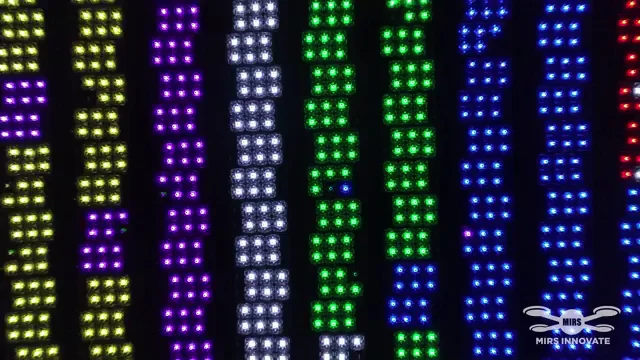
A finale has one job: make the last moment impossible to forget. For a product launch, city celebration, gala, festival, or luxury wedding, knowing how to organize a drone finale means treating the sky as the event’s final stage, not as a last-minute entertainment add-on. When it is designed with intention, a drone finale gives guests a reason to stop, look up, film, and carry the experience far beyond the venue.
The difference between a pleasant light display and a landmark closing moment is planning. The strongest finales connect directly to the event narrative, operate within real site conditions, and end on one unmistakable visual statement. That takes creative ambition, technical discipline, and enough lead time to do both well.
Start With the Moment You Want People to Remember
Before discussing fleet size, flight paths, or visual effects, define the emotional assignment. Is the finale meant to reveal a new brand identity? Mark a national holiday? Thank donors at a major fundraising gala? Create the centerpiece of a destination event? Each objective calls for a different creative rhythm.
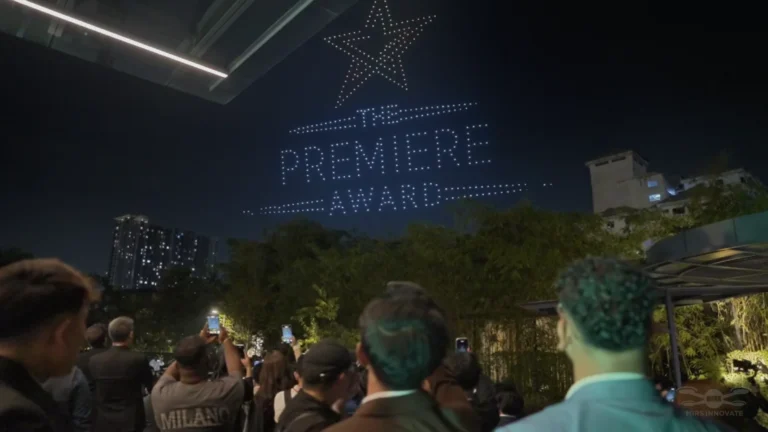
A corporate launch may build toward a logo reveal followed by a product silhouette or a bold message in the sky. A tourism board may want local landmarks, cultural motifs, and a finale that frames the destination as a place worth traveling for. At a wedding, the most effective ending is often personal: initials, a shared symbol, or a proposal-like reveal timed to the final song.
Keep the core message focused. The sky has enormous presence, but it is not a presentation slide. One clear story, delivered in a sequence of memorable images, has greater impact than trying to fit every sponsor, theme, or campaign line into a single flight. A premium drone finale earns attention through clarity and scale.
Choose the Right Place in the Program
A drone show is most powerful when it arrives after the audience has been prepared to receive it. In most event programs, that means placing the finale after the final speech, award, countdown, performance, or dinner service. Guests should have a clear reason to remain on site and a clean line of sight when the show begins.
The timing depends on the event. A public festival may need a later start to achieve the necessary darkness and accommodate crowd flow. A private celebration may prioritize a precise musical cue. A brand event may need to protect press schedules, executive remarks, and social content capture. The production team should work backward from the desired launch time, allowing for audience positioning, lighting transitions, safety announcements, and a controlled pause before the first drones rise.
Do not bury the aerial performance between competing attractions. Pyrotechnics, stage lasers, large LED walls, and live acts can complement a drone show, but they need orchestration. If every visual element is fighting for attention at once, the finale loses its shape. Often, the most cinematic choice is to let the sky own the last few minutes.
Design for the Viewing Environment
The event site determines what is possible long before the first drone takes off. A successful plan begins with a venue assessment that considers the launch area, audience area, surrounding structures, nearby airports, terrain, wind exposure, ambient lighting, and available access for production crews.
Audience sightlines matter as much as the airspace. Guests need an open, comfortable view toward the performance zone, without tall trees, buildings, tent structures, or staging blocking the formation. For large public events, establish a primary viewing area rather than assuming every angle will deliver the same experience. A drone formation is designed for a specific audience perspective, and that perspective should guide site layout.
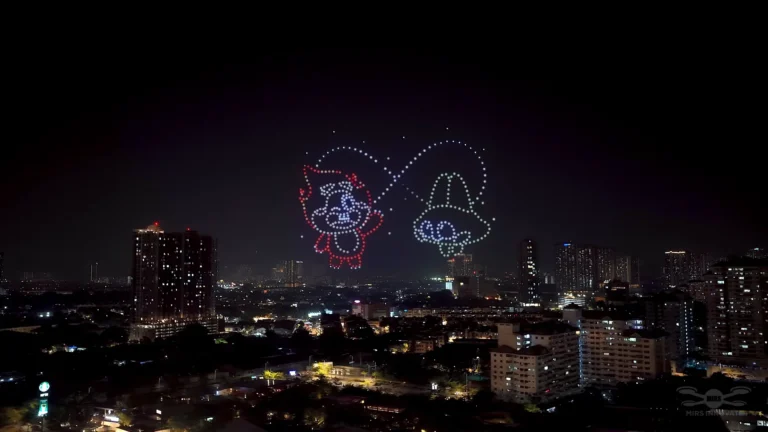
Fleet size is also a creative and strategic decision. A smaller fleet can create elegant symbols, monograms, and intimate sequences. Larger fleets support more detailed logos, animated characters, dimensional imagery, and broader visibility across major event grounds. More drones can expand the creative canvas, but scale also affects budget, operating space, permitting, transport, and planning time. The right answer is the fleet that serves the story and the audience, not simply the largest number available.
Build a Story, Not a Sequence of Shapes
The best drone finales move with purpose. They have an opening that creates anticipation, a middle that develops the theme, and a final image that lands with authority. Music, narration, stage lighting, and countdown moments can all reinforce that arc.
For example, a city anniversary might begin with the city’s founding year, transition through signature cultural images, form a recognizable landmark, then resolve into the city seal and a closing message. A new vehicle launch might use abstract motion to suggest speed and innovation before revealing the vehicle outline, the brand mark, and a final call to action. The order is what turns visual assets into a story.
Avoid treating drone choreography as a collection of static logos. Transitions are part of the spectacle. A flock that appears to transform, sweep, expand, and re-form creates the sense of movement audiences instinctively want to capture. The final formation should remain visible long enough for recognition, reaction, and recording. A dramatic final reveal that disappears too quickly can leave value on the table.
Protect brand legibility
If the event is brand-led, share approved logos, fonts, colors, key messages, and campaign references early. Not every graphic translates directly into the sky. Fine text, dense detail, and complex marks may need to be simplified for distance and clarity. That is not a compromise in quality. It is how aerial design preserves immediate recognition.
A skilled production partner will advise which visual elements can become powerful drone formations and which should remain on screens, signage, or event collateral. The result should feel true to the brand while being designed for the medium.
Treat Permissions and Safety as Creative Enablers
The most ambitious finale is only valuable if it can be delivered safely and legally. Airspace review, local authorizations, landowner approvals, operating procedures, crowd management, emergency planning, and weather protocols must be addressed early. Requirements vary by location, especially near airports, waterfronts, dense urban areas, government sites, or major public gatherings.
This is where event leaders benefit from turnkey expertise. Rather than asking an internal team or agency to coordinate a complex aviation operation, appoint a production partner that can manage the process from site review through flight execution. MIRS Drone Show approaches this work as both spectacle design and disciplined live-event production, aligning creative ambition with the operational path needed to deliver it.
Weather deserves a realistic conversation. Drone shows are engineered for precision, but wind, precipitation, visibility, and other conditions can affect operations. Build a contingency plan into the event schedule and communications from the beginning. Depending on the occasion, that could mean a backup flight window, an alternate visual moment, or a decision protocol that protects guests and production staff without creating uncertainty on show day.
Plan the Audience Experience Beyond the Sky
A finale performs best when guests know where to stand, when to look, and why the moment matters. Clear wayfinding, a brief host cue, coordinated music, and an intentional lighting change can transform an audience from scattered attendees into a unified crowd.
Think about content capture as part of the production plan. Identify key camera positions for official video, photography, and vertical social clips. Give VIPs, press, and partners a strong view without compromising general audience sightlines. If the show includes a branded message or a major reveal, make sure the event team has approved language and assets ready for immediate posting.
There is a balance to strike. Guests should be encouraged to share, but they should not experience the finale only through a phone screen. The show itself must be compelling enough to produce genuine reactions. Those reactions are what make the resulting content feel alive rather than staged.
Work Backward From Show Night
For high-visibility events, begin the drone finale conversation as soon as the date and venue are under consideration. Early planning creates room for creative development, feasibility assessment, permitting, logistics, and thoughtful integration with the broader event program. Compressed timelines can sometimes be possible, but they reduce flexibility and may limit what can be approved or produced.
A practical planning rhythm has four stages:
- Define the event objective, audience, target date, budget range, and desired final image.
- Assess the venue, airspace, viewing geometry, production access, and local approval requirements.
- Develop the creative storyboard, music synchronization, brand assets, operational plan, and contingency approach.
- Confirm the final run of show, audience management, on-site communication, and capture plan before flight night.
The earlier these decisions are made, the more the finale can become a signature part of the event instead of an isolated production element.
Make the Last Image Worth the Wait
When you organize a drone finale, the goal is not simply to fill the sky with lights. It is to give an audience a shared moment of scale, emotion, and recognition at exactly the point when their attention is highest. That may be a logo suspended above thousands of guests, a national symbol rising over a waterfront, or a personal message that brings an intimate celebration to a standstill.
Give that final image the space, timing, and production discipline it deserves. The event may end when the lights come down, but a well-made aerial finale keeps traveling through conversations, camera rolls, press coverage, and social feeds long after the crowd has gone home.
Planning a drone show?
MIRS Drone Show creates bespoke drone light shows for corporate events, launches, celebrations and festivals, with creative and operational planning tailored to each venue and project.