

Why a Brand Activation Drone Show Works
See why a brand activation drone show turns launches and public events into high-impact, shareable spectacles with safer, precise execution.
A crowded launch event can have flawless staging, celebrity talent, and a prime location and still feel forgettable by the next morning. That is the problem a brand activation drone show is built to solve. It gives a brand a signature moment in the sky, engineered for live impact, social sharing, and recall that outlasts the applause.
For marketing leaders and event producers, that distinction matters. Audience expectations have shifted. People have seen LED walls, pyrotechnics, and standard projection effects before. If the goal is to stop a crowd, earn press attention, and make a campaign feel larger than the venue itself, the centerpiece has to do more than look expensive. It has to be unmistakably tied to the brand.
What makes a brand activation drone show different
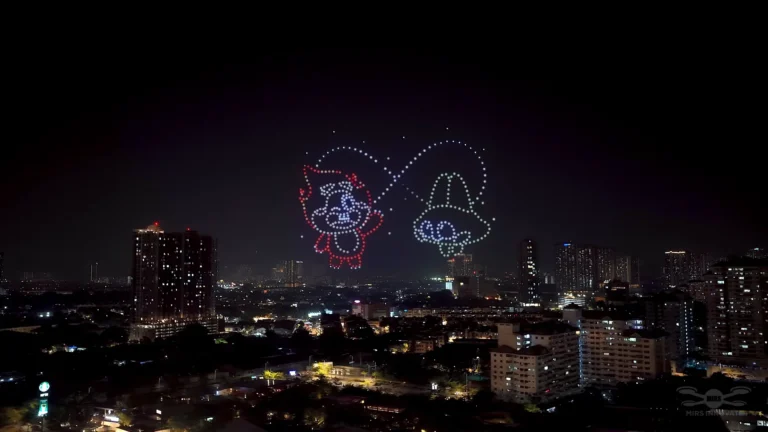
A drone show built for brand activation is different from one built purely for entertainment. Every movement, shape, and transition is designed to serve a message: whether that message is a product launch, a destination campaign, a national celebration, or a luxury private event tied to a brand identity.
The sky becomes media space. Logos can appear with clean geometry. Product silhouettes can rotate in 3D. Taglines can emerge at scale. Symbols tied to a city, sponsor, or campaign can be sequenced into a visual story that lands with both a live audience and viewers watching through phones.
The value is structural as much as visual. Drone shows offer an unusual level of control compared with traditional fireworks or one-time special effects. Timing can be synchronized with music, narration, or a launch countdown. Brand colors can remain consistent. Animations can be built around a campaign narrative rather than a generic spectacle. When a client needs a show that is memorable and unmistakably theirs, customization is the difference between entertainment and activation.
Why this format performs so well for modern campaigns
The best activations do two jobs at once: they create a strong in-person emotional response, and they travel well online. Drone shows do both.
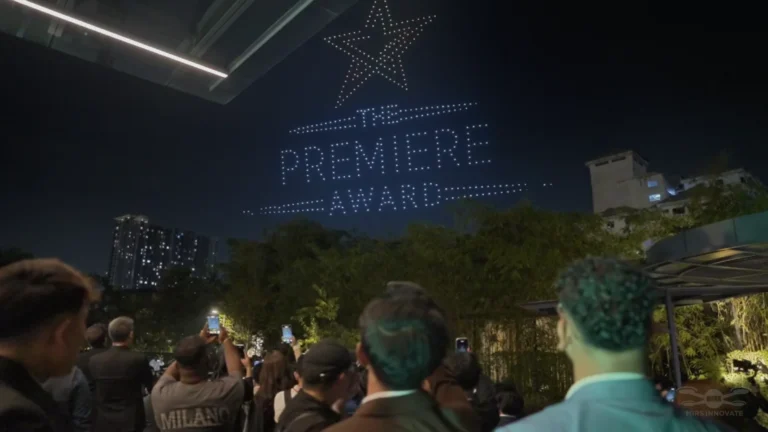
For a live audience, scale changes perception. Hundreds of illuminated drones moving in exact formation create a sense of precision and anticipation that static installations rarely match. The crowd does not simply observe the message. It watches it assemble in real time above the event, which adds drama and makes the reveal feel earned.
For digital reach, aerial formations are naturally camera-friendly. A well-designed sequence can generate short-form clips, media photography, crowd reaction footage, and branded recaps from a single performance. That matters because event value is no longer measured only by attendance. Decision-makers are asked to justify spend through visibility, impressions, and post-event momentum. A strong drone show produces content that keeps circulating.
Brand discipline determines whether the show works or just looks busy. Not every visual idea works well in the sky, and not every campaign asset should be translated literally. The strongest shows simplify where needed, enlarge what matters most, and build motion that reads clearly from the ground and on camera. Spectacle works best when clarity leads.
Brand activation drone show use cases that justify the investment
This format is especially effective when the event carries reputational weight. Product launches are an obvious fit because the show can reveal the product shape, key campaign visuals, or a launch message at a scale no stage set can match. For tourism boards and public festivals, drones can combine place-based storytelling with sponsor visibility in a way that feels celebratory rather than intrusive.
Corporate anniversaries, grand openings, national day events, and large sponsorship activations also benefit. In each case, there is a need for a centerpiece that feels official, high-value, and media-ready. A drone show meets that need while remaining more controlled and more brandable than many legacy alternatives.
Luxury private events are another strong use case, though the strategy shifts slightly. Here, the show may still carry brand value, but the emphasis often moves toward exclusivity, personalization, and emotional timing. The same technology can support both a public campaign and a private celebration, but the creative brief is different. That flexibility is part of what makes the format commercially practical.
The real advantage over fireworks and conventional event visuals
Fireworks still have emotional pull. They are loud, dramatic, and familiar. But for many brands and public organizers, familiarity is now the limitation. Fireworks are difficult to tailor with precision, difficult to repeat exactly, and difficult to use for clean visual messaging beyond broad color effects.
Drone shows offer a different category of value. They are safer in many event contexts, quieter in relative terms, and far more exact. A client can approve visual sequences in advance, align them with campaign goals, and know that the show is built around communication rather than generalized spectacle.
That does not mean drones replace every effect in every situation. Some events want the force of pyro, flame, or stage lighting as part of a larger production. In those cases, the right answer may be a hybrid creative approach. But when brand clarity, visual storytelling, and shareable originality are priorities, drones consistently outperform conventional options.
What buyers should evaluate before commissioning a show
The quality gap in this category is significant. Many providers look similar on a showreel and operate very differently in the field.
Creative capability is the first filter. A provider should be able to translate a campaign into aerial visuals that are legible, cinematic, and built for audience response. That requires more than flying drones in patterns. It requires experience in visual storytelling, pacing, reveal design, and brand adaptation.
Operational depth is equally important. Airspace review, permits, local regulations, safety planning, launch geometry, weather protocols, and on-site synchronization all shape the outcome. A spectacular concept means nothing if the production partner cannot deliver under real event conditions.
International and multi-stakeholder events raise the stakes further. Government celebrations, tourism campaigns, and major brand moments often involve complex approvals and public scrutiny. Buyers need a partner that combines ambition with discipline. MIRS Drone Show is built for that level of delivery, where creative scale and executional control have to coexist.
How the planning process should work
The most effective drone activations begin early, before the event script is locked and before the visual language is scattered across agencies. When the drone show is treated as a strategic centerpiece rather than a late-stage add-on, the final result is stronger.
That planning phase should establish the event objective first. Is the show meant to reveal a product, mark a ceremonial moment, drive social coverage, or close the night with prestige? The answer shapes everything from fleet size to animation style.
From there, the production team can define what belongs in the sky and what belongs elsewhere. Not every sponsor logo deserves airtime. Not every campaign line reads well at altitude. Precision means choosing the few visual ideas that will land with force, then designing transitions that carry the audience from recognition to emotion.
Venue conditions, audience sightlines, and filming needs should also be addressed early. A show designed only for the crowd may miss its digital potential. A show designed only for overhead capture may lose impact on the ground. The strongest productions balance both.
The trade-offs clients should understand
Drone shows are premium productions, and they should be approached that way. Budget, location, approvals, and timing all affect what is possible. A highly detailed 3D sequence for a major waterfront launch is a different undertaking from a compact activation at a private estate.
Weather is another real variable. Professional operators plan around it, mitigate for it, and build decision frameworks in advance, but no responsible producer should pretend conditions never matter. Clients should want honesty here. Confidence is valuable. Overpromising is not.
There is also a creative trade-off between complexity and readability. More animation is not always better. Sometimes a simpler sequence with a bold logo reveal, a product icon, and one unforgettable closing image will outperform a technically dense show that asks the audience to process too much too quickly.
The strongest drone activations are built to make a brand impossible to ignore. When the sky becomes part of the campaign, the event stops feeling temporary and becomes the moment the audience keeps sharing long after they leave.
Frequently Asked Questions
What is a brand activation drone show?
A brand activation drone show is a commissioned aerial performance where drones form a company’s logo, product, mascot, or campaign message in the sky as part of a marketing or launch event. The show is designed to be filmed and shared, creating organic social content that reaches audiences far beyond the event itself.
How many drones do you need for a brand activation?
Brand activations typically use 300–1,300 drones depending on the complexity of the formations and the scale of the event. A 300-drone show can render a clear logo and basic animation; flagship brand campaigns often use 800–1,300 drones for more complex narrative sequences and higher visual impact from distance.
What brands have used drone shows for activations?
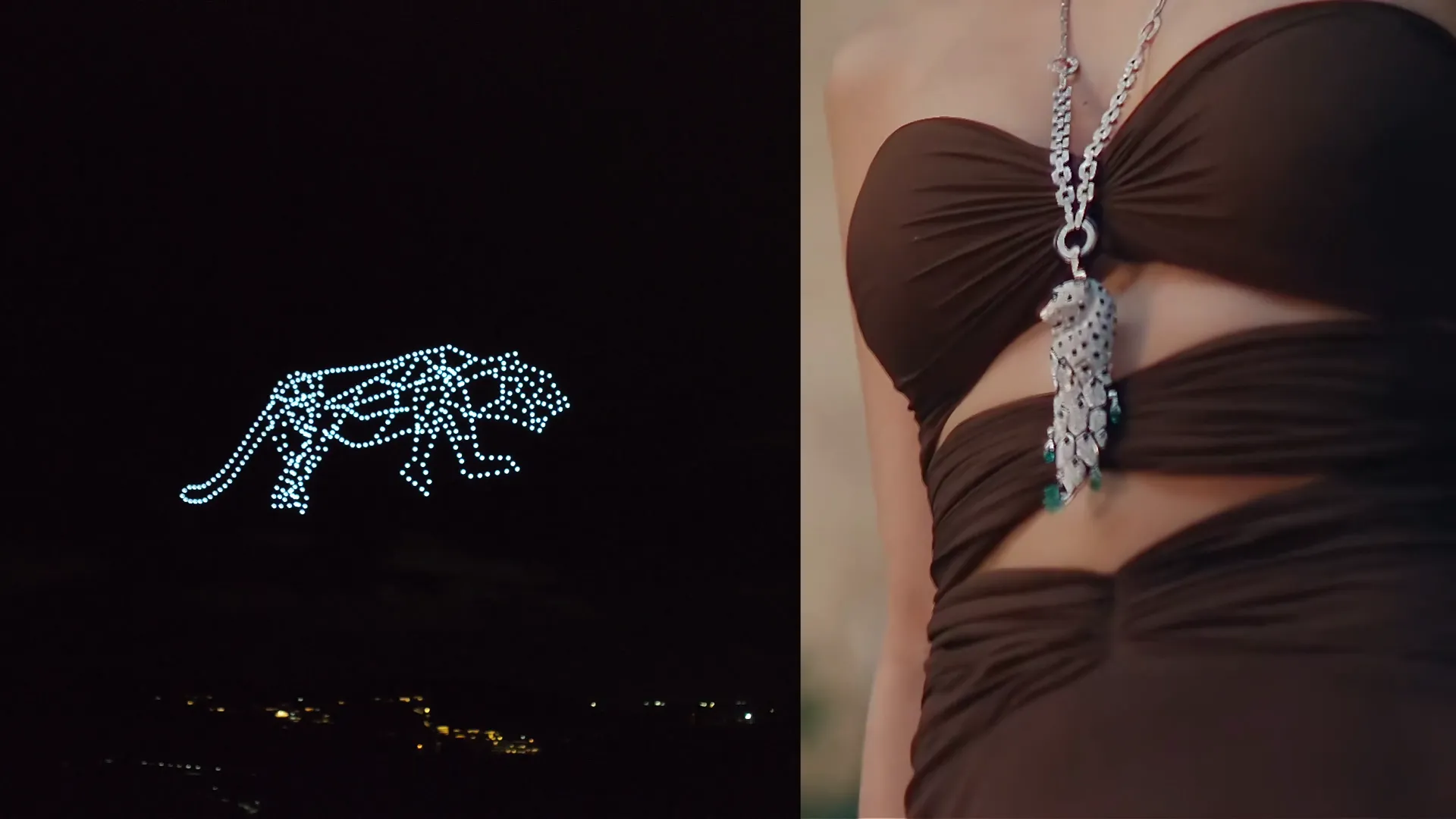
MIRS Drone Show has delivered brand activation drone shows for McDonald’s (Malaysia, 500 drones at KL Tower), Coca-Cola (Philippines, 1,300 drones), Pop Mart (Singapore, 1,300 drones), and Cartier (Thailand, 450 drones), among others across Asia and the Middle East.
How much does a brand activation drone show cost?
Brand activation drone shows typically range from USD 25,000 for a regional production to USD 150,000+ for a large-scale flagship campaign. Pricing depends on drone count, show duration, location, permit requirements, and choreography complexity. Contact MIRS Drone Show for a brief-based quote.
How long does it take to produce a brand activation drone show?
Allow 8–12 weeks from brief to show day. This covers creative design and simulation (2–3 weeks), permit applications (4–8 weeks depending on market), equipment logistics, site assessment, and rehearsal. Campaigns with complex animations or international locations may require longer timelines.
Planning a drone show?
MIRS Drone Show creates bespoke drone light shows for corporate events, launches, celebrations and festivals, with creative and operational planning tailored to each venue and project.