


What Weather Stops Drone Shows? Flight Limits
What weather stops drone shows? Learn how wind, rain, lightning, temperature, and visibility affect flight decisions and event contingency planning.
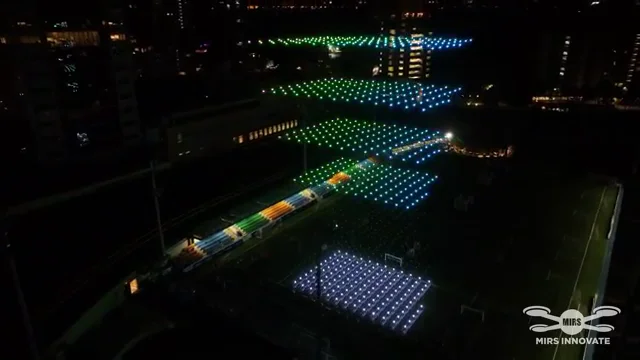
A drone show can turn a launch, national celebration, or luxury private event into the image everyone shares by morning. But the question planners need answered early is simple: what weather stops drone shows? The answer is not one forecast icon or a universal wind number. It is a real-time safety decision shaped by local conditions, aircraft capability, airspace rules, site layout, and the production team’s operational standards.
For a high-visibility event, weather planning is not a backup detail. It is part of protecting the show, the audience, the schedule, and the reputation attached to every moment in the sky.
What Weather Stops Drone Shows Most Often?
The weather conditions most likely to delay, modify, or stop a drone show are high or gusting winds, rain, thunderstorms and lightning, low visibility, and temperatures outside the fleet’s approved operating range. Each can affect a different part of the operation, from safe takeoff and flight stability to the ability to maintain the precise positioning that makes aerial animations look effortless.
A premium drone performance is a coordinated aircraft operation, not a decorative light display that can simply be switched on. Hundreds or thousands of drones may need to launch within seconds, hold exact formation points, and return safely to a managed landing area. That requires conservative judgment when conditions move outside the approved flight envelope.
Wind and gusts: the most common operational challenge
Wind is often the deciding factor because it affects both the drones and the visual quality of the show. A steady breeze may be manageable, depending on the aircraft, formation design, flight altitude, and site. Gusts are more demanding. They can arrive suddenly, vary across the launch field, and force drones to work harder to remain in position.
Every fleet has approved wind limits set by its manufacturer, operating procedures, and local aviation requirements. There is no responsible one-size-fits-all threshold. A production team evaluates sustained wind speed, gust speed, wind direction, forecast changes through the show window, and conditions measured on site.
Even when aircraft can technically fly, wind may still influence creative decisions. Fine text, highly detailed logos, and tightly spaced formations need exceptional positional accuracy. A team may adjust the design, altitude, timing, or show duration to preserve the visual standard rather than risk a performance that looks compromised.
Rain, snow, and moisture: small amounts still matter
Rain can ground drones because moisture may affect electronics, battery connections, propellers, sensors, and visibility. Most LED drone fleets are not intended to operate in active precipitation unless the specific aircraft and procedures are rated for it. Light drizzle is not automatically harmless, particularly when it continues through launch, flight, and recovery.
Snow, sleet, freezing rain, and heavy mist introduce additional concerns. Moisture can accumulate on equipment and landing surfaces, while cold and ice can reduce battery performance. Wet ground may also create challenges in a launch zone where crews need stable, controlled access to charging stations, aircraft cases, and safety equipment.
The key distinction for event planners is this: a show may proceed after rain has passed if the equipment, launch area, and weather outlook have been properly assessed. It should not proceed merely because guests have umbrellas and the sky appears slightly clearer. The production decision depends on whether safe operating conditions are truly restored.
Thunderstorms and lightning: a firm stop condition
Lightning is a clear no-go condition for drone operations. It presents an unacceptable risk to crew, audience areas, ground equipment, and aircraft. Thunderstorms can also bring sudden wind shifts, heavy rain, turbulence, and rapid visibility loss, which is why a responsible team monitors storm cells well before lightning is visible from the venue.
This is where advance planning protects the entire event experience. For a major celebration, the production schedule should include a realistic weather decision window and a defined protocol for postponement, delay, or cancellation. A polished experience is not created by waiting until the final minute to react to a storm. It is created by knowing who decides, what information they use, and how guests will be informed.
Low clouds, fog, smoke, and poor visibility
Drone shows are designed to be seen. Fog, low clouds, dense haze, wildfire smoke, and heavy atmospheric moisture can reduce the audience’s view of the formations and make it harder for the flight crew to maintain required visual awareness.
Visibility is not only a creative issue. Depending on the operation and local rules, it can be a safety and compliance requirement. Low cloud ceilings may interfere with the planned flight profile, while haze can obscure aircraft lights and affect the team’s ability to monitor the airspace.
Smoke deserves special attention for outdoor events. A nearby fire, fireworks from another event, industrial activity, or seasonal air-quality conditions can change visibility quickly. If the show is the centerpiece of a public spectacle, organizers should assess likely smoke sources during venue and date selection, not just on event day.
Temperature Can Change the Flight Plan
Extreme heat and cold can affect drone batteries, electronics, and crew operations. Lithium battery performance typically decreases in cold conditions, which can shorten available flight time and require carefully managed warming, charging, and handling procedures. High heat can create its own risks, including battery temperature limits and greater strain on equipment during setup.
A capable production partner plans for the local climate rather than assuming every venue behaves like a mild evening in perfect conditions. Desert heat, mountain cold, tropical humidity, and coastal wind patterns each call for different operational preparation.
Temperature does not always cancel a show, but it can affect fleet readiness, flight duration, turnaround time, and the design of the evening’s production schedule. This is one reason the same creative concept may require a different technical plan in Miami, Las Vegas, Chicago, or a remote destination venue.
Why the Forecast Alone Is Not Enough
A weather app is useful, but it cannot make an aviation decision for a live event. Forecasts can differ from conditions at the precise launch location, especially near water, tall buildings, mountains, stadiums, or open fields. Wind at ground level may not match wind at the planned show altitude. A clear hourly icon does not reveal every gust, cloud layer, or localized storm boundary.
Professional weather planning combines forecast review with on-site measurement and continuous monitoring. Before launch, operators assess the actual conditions, confirm that the launch and recovery area remain suitable, and verify that the operation can be conducted within approved limits. Conditions are monitored during the show as well.
That discipline can sometimes lead to a difficult call. Yet a weather hold is not a sign of poor production. It is proof that the production team is protecting a sophisticated aerial operation with the seriousness it deserves.
Build a Weather-Ready Drone Show Into the Event Plan
The strongest weather strategy begins before creative development is complete. When an event is date-sensitive, planners should discuss the seasonal weather profile, venue exposure, and contingency options during the first production conversations. A show on a waterfront in a windy month should be engineered with different assumptions than one staged in a sheltered urban venue.
For major events, build a practical decision framework into the run of show. Establish the latest responsible weather call time, the authority responsible for approving a hold, and a guest communication plan that matches the importance of the event. If the schedule allows, a backup performance window may be the best protection for a public festival, tourism campaign, or multiday celebration.
Consider the full guest experience, too. A delayed show may be easier to manage when the venue offers entertainment, hospitality, announcements, and a compelling reason for guests to stay. For a brand launch, that might mean moving the reveal moment later in the program. For a city celebration, it may mean reserving a second night as the official weather date.
The contract and production scope should also define weather terms clearly. Rescheduling, crew availability, permits, travel, venue access, and equipment logistics all carry real implications. Clarity before the event prevents pressure-driven decisions when a storm is approaching.
The Right Standard Is Safe, Not Merely Possible
Event organizers sometimes ask whether drones can fly because the audience sees only a light breeze or a few drops of rain. The better question is whether the show can be delivered safely, legally, and at the level of precision the occasion deserves.
MIRS Drone Show approaches weather as part of turnkey production discipline: monitoring conditions, engineering each operation around the site, and making decisions that protect both spectacle and safety. That is what allows an aerial performance to feel cinematic to the audience while the operational complexity remains controlled behind the scenes.
Weather cannot be negotiated with, but it can be planned for with confidence. Choose a partner that discusses flight limits early, designs credible contingencies, and is prepared to make the right call when the sky changes. Your audience may remember the images above them, but your team will remember the certainty that every detail below was ready for them.
Frequently Asked Questions About Drone Show Weather Limits
What wind speed stops a drone show?
There is no universal wind-speed number for every drone show. The decision depends on the approved limits for the aircraft, the show design, the site, sustained wind, gusts, and the conditions measured by the operations team. A responsible operator makes the call using the approved operating procedures for that event.
Can a drone show fly after rain?
It may be possible after rain has passed, but only after the aircraft, launch area, and weather outlook have been assessed. Active precipitation, wet equipment, unstable ground conditions, or a forecast that is still deteriorating can prevent a safe launch.
Do drone shows operate during thunderstorms?
No. Lightning and thunderstorms are firm no-go conditions because they can bring dangerous electrical activity, heavy rain, sudden wind changes, and rapid visibility loss.
Should an event have a backup date for a drone show?
A backup performance window is worth considering for weather-sensitive public events, tourism campaigns, and multi-day celebrations. The right contingency depends on the venue, programme, permits, crew availability, and the importance of the show to the event.
Plan for Weather Before Event Day
For a weather-aware drone show plan, contact MIRS Drone Show with the event date, venue, audience plan, and the role the show will play in the programme. The conversation should start with the site and operating conditions, not only the creative idea.
Related Reading
Planning a drone show?
MIRS Drone Show creates bespoke drone light shows for corporate events, launches, celebrations and festivals, with creative and operational planning tailored to each venue and project.