

Drone Shows in Destination Marketing That Draw Crowds
See how drone shows in destination marketing create iconic moments, attract visitors, earn media attention, and extend a place's appeal beyond one night.
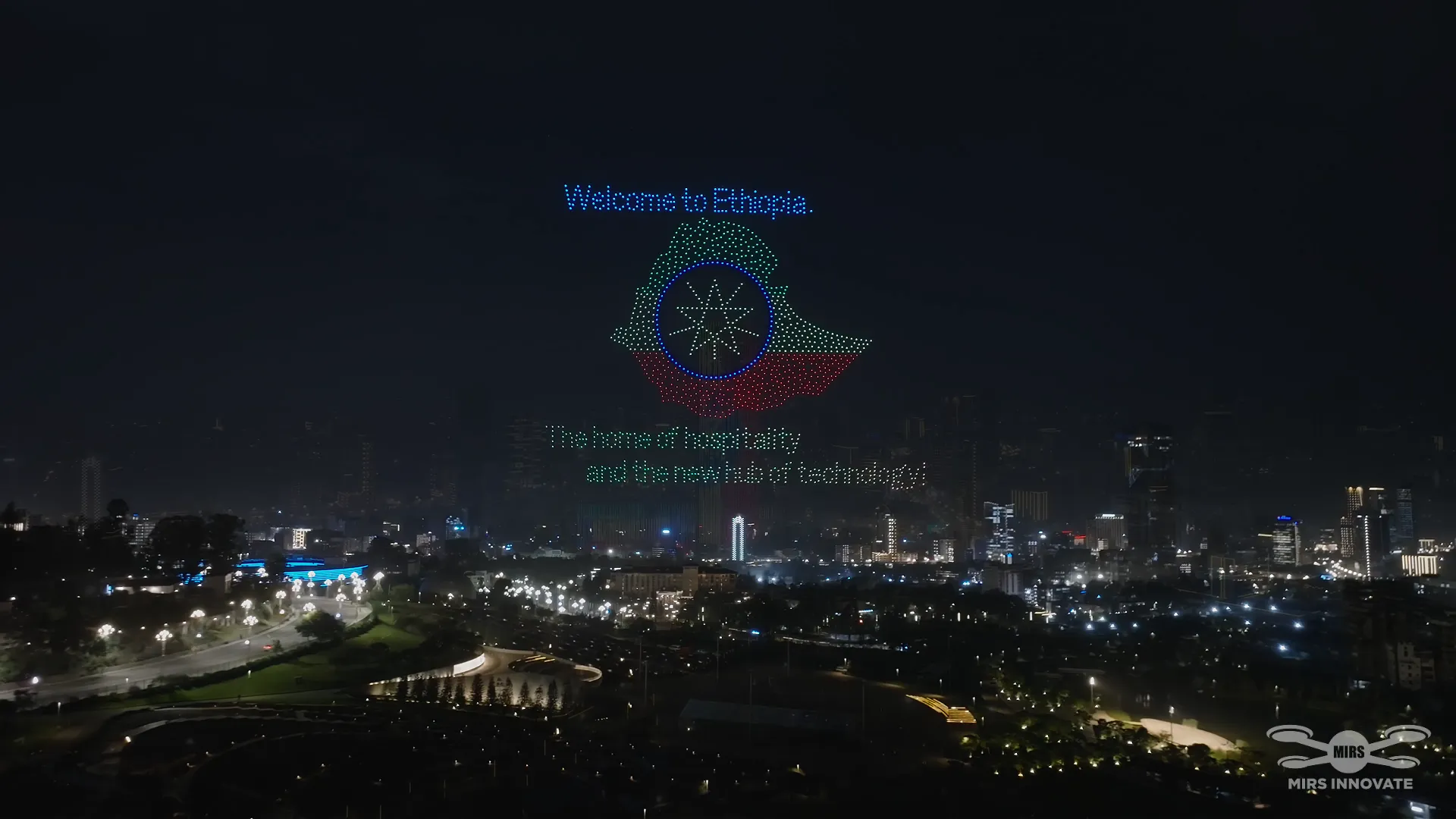
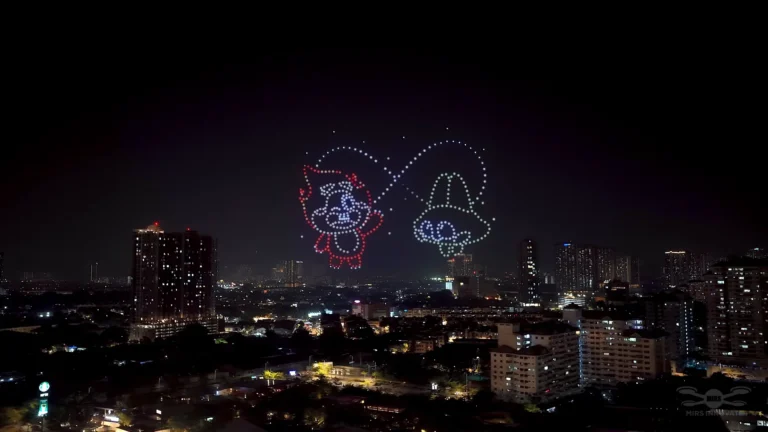
A destination needs a visual moment people remember and share. A drone show can turn a waterfront, resort, historic district, or city skyline into a recognisable scene, with formations based on local landmarks and the event story. That footage can then support future tourism campaigns.
Why Drone Shows in Destination Marketing Work
Tourism marketing is often asked to solve a difficult problem: make a place feel distinctive before a visitor arrives, then make the visit memorable enough to inspire a return trip or recommendation. Beautiful photography and campaign films matter, but live public moments create a different kind of value. They give people a reason to gather, record, post, and associate a destination with something they could not experience anywhere else.
A drone light show can turn a seasonal festival, grand opening, national celebration, convention, or resort activation into that moment. Instead of simply adding entertainment after the program, the aerial performance can carry the destination’s identity. A fleet can animate a city crest, a coastline, native wildlife, a cultural pattern, a sporting symbol, or a message welcoming visitors from around the world. The sky becomes a programmable canvas for place-based storytelling.
That control is the strategic advantage. Fireworks are powerful, but their visual language is largely fixed. Drone formations can be designed around a specific destination, audience, campaign theme, and media objective. A tourism authority promoting a new direct flight route can visualize the aircraft’s path. A coastal destination can create an underwater-to-night-sky sequence. A heritage festival can respectfully translate approved cultural motifs into a contemporary aerial composition.
Unlike a generic finale, the show can give visitors a specific image to associate with the destination.
Build an Event People Plan a Trip Around
The strongest tourism events do more than entertain visitors already in town. They create urgency for prospective travelers. A drone show can become the centerpiece of a calendar moment with enough visual scale to support paid campaigns, earned press, partner promotion, and social content before and after the performance.
For a destination marketing organization, this matters because attendance is only one measure of success. The real opportunity is to extend the event’s life cycle. Teaser content can reveal a few carefully selected design elements without giving away the finale. Hotels, restaurants, airlines, attractions, and local retailers can build packages and promotions around the date. After the show, audience videos and official footage continue to circulate, giving the destination a library of high-impact assets for future campaigns.
A well-timed production can also help distribute demand. Shoulder-season weekends, weekday convention programs, and less-trafficked districts often need a reason for visitors to choose them. An aerial show will not solve every occupancy challenge on its own, but it can provide the headline that makes an integrated offer feel timely. The key is matching the event to a clear commercial objective rather than treating spectacle as a standalone expense.
Design the Story Around the Place
The most effective drone shows do not begin with a fleet count. They begin with a destination question: What should people understand, feel, or share when the final formation fades?
For some locations, the answer is pride. A national day or city anniversary may call for an emotional progression from history to present-day ambition. For others, it is discovery. A tourism launch may feature recognizable natural assets, culinary icons, and local experiences that encourage longer stays. In a luxury resort setting, the story may be more intimate, moving from the property’s visual identity to a carefully choreographed guest finale.
Creative restraint matters. Trying to place every landmark, slogan, sponsor, and attraction into one performance weakens the impact. A concise narrative with a few memorable transformations is more cinematic and easier for an audience to follow from the ground. It also produces clearer short-form video, where viewers have only moments to understand what they are seeing.
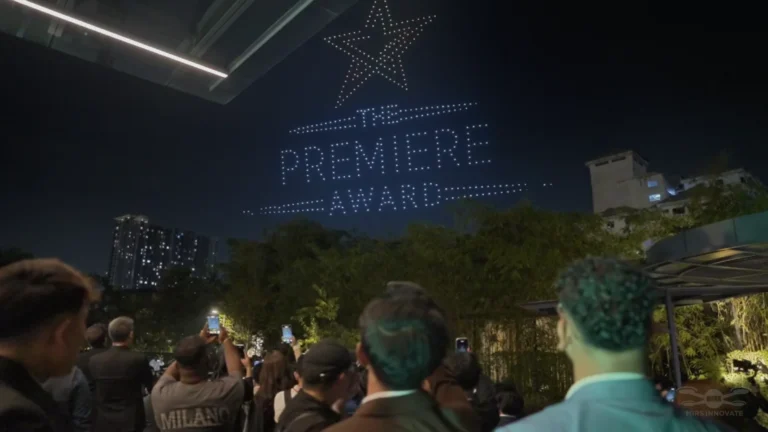
Text can be especially effective when it is brief, large, and integrated into the animation. A destination name, anniversary year, campaign line, or simple welcome can create a powerful shareable frame. But the experience should not feel like a billboard in the sky. The best branded sequences earn attention through visual storytelling first, then make the identity unmistakable.
Choose the right setting and viewing geometry
Aerial design is inseparable from venue design. A waterfront can provide wide sightlines and dramatic reflections. A stadium offers controlled viewing and ticketed access. A city park may support a broad public gathering but require careful crowd circulation, neighborhood communication, and transport planning. A mountain or desert setting can be visually extraordinary, while bringing more complexity around wind, access, and launch operations.
The audience must be able to see the full composition from the intended viewing zone. Tall buildings, trees, terrain, ambient lighting, and the orientation of the show all affect the result. This is why location assessment should happen early, alongside creative development, not after a show concept has already been approved.
Safety and Permitting Are Part of the Experience
For public-facing destination events, the operational standard is as important as the artistic standard. A premium drone light show requires more than aircraft and choreography. It requires airspace review, permitting, site planning, safety zones, flight operations, weather monitoring, communications protocols, and coordination with local authorities and event partners.
This is also where drone shows offer a meaningful advantage for destinations evaluating alternatives to fireworks. There is no falling pyrotechnic debris, no smoke plume, and far less noise. That can make the format more appropriate near waterfronts, sensitive landscapes, dense hospitality areas, and communities with wildlife or noise concerns. It does not mean every site is automatically suitable. Airspace restrictions, nearby airports, wind conditions, and local regulations still determine what is possible.
A responsible production partner will identify these constraints before promising a visual outcome. That diligence protects the event, the destination’s reputation, and the audience experience. MIRS Drone Show manages creative, technical, airspace, and on-site execution as one coordinated production, giving destination teams a clearer path from concept to launch.
Measure More Than the Night’s Attendance
A packed viewing area is compelling, but destination leaders need a broader performance picture. Before selecting a format, establish the metrics that matter most to the campaign. If the goal is visitation, track event-driven bookings, package redemptions, and origin markets. If the priority is awareness, look at media pickups, video views, social reach, and sentiment. If the event is intended to support local business, measure foot traffic, restaurant covers, partner participation, and spending where data is available.
Content planning deserves equal attention. Official camera positions, creator access, brand-safe aerial footage, and a rapid post-event editing plan can determine whether the show becomes a fleeting memory or an ongoing marketing asset. Audience-generated content adds credibility, while professionally captured footage gives the tourism team material for presentations, trade outreach, paid advertising, and future event promotion.
There is a trade-off between scale and frequency. A single large annual performance can become a signature tradition and attract significant attention. Smaller recurring shows may better support resort guests, weekend programming, or a series of regional events. The right model depends on destination size, available viewing locations, tourism seasonality, and the strength of local partnerships.
Make the Spectacle Part of a Larger Visitor Journey
The show itself may last minutes, but the visitor journey begins long before takeoff and continues after the final frame. Build a reason to arrive early through local food, music, cultural programming, retail activations, or guided experiences. Give visitors clear transport guidance and an easy way to explore nearby districts. Then create a next-day prompt: a museum offer, outdoor experience, hotel extension, or itinerary built around the story they just saw.
When aerial spectacle is connected to real places, local businesses, and a clear visitor promise, it does more than generate applause. It gives a destination a new visual signature with the power to travel far beyond its borders. Start with the story only your location can tell, then give people a reason to look up together.
Plan a Destination Drone Show
For tourism boards, resort groups, and city-event teams, early site and airspace review helps shape a concept that fits the audience, venue, and campaign goal. Explore MIRS drone show services or contact MIRS for a destination-event proposal.
Frequently Asked Questions
How can destination marketing organisations use drone shows?
A destination drone show can support a festival, tourism campaign, public celebration, resort programme, or travel-industry event. The creative sequence can reflect approved local landmarks, cultural themes, or a visitor message, while the finished footage can support future promotion.
Can a drone show be used at a tourism festival or city celebration?
Yes, subject to the venue, airspace, local permissions, weather conditions, and event operations plan. The show should be planned around the viewing area, crowd movement, nearby buildings, and the intended audience experience.
What should be checked before planning a destination drone show?
Start with the event objective, proposed venue, viewing geometry, airspace constraints, local permissions, safety planning, and weather considerations. These checks help determine what can be produced responsibly at the site.
How can the show support marketing after the event?
Plan official filming, creator access, partner content, and a quick post-event edit before the event takes place. This gives the destination team material for tourism campaigns, trade presentations, paid media, and future event promotion.
Planning a drone show?
MIRS Drone Show creates bespoke drone light shows for corporate events, launches, celebrations and festivals, with creative and operational planning tailored to each venue and project.