




How to Launch Products With Drones That Own the Sky
Learn how to launch products with drones through a cinematic aerial reveal that builds attention, press coverage, social sharing, and lasting brand recall.
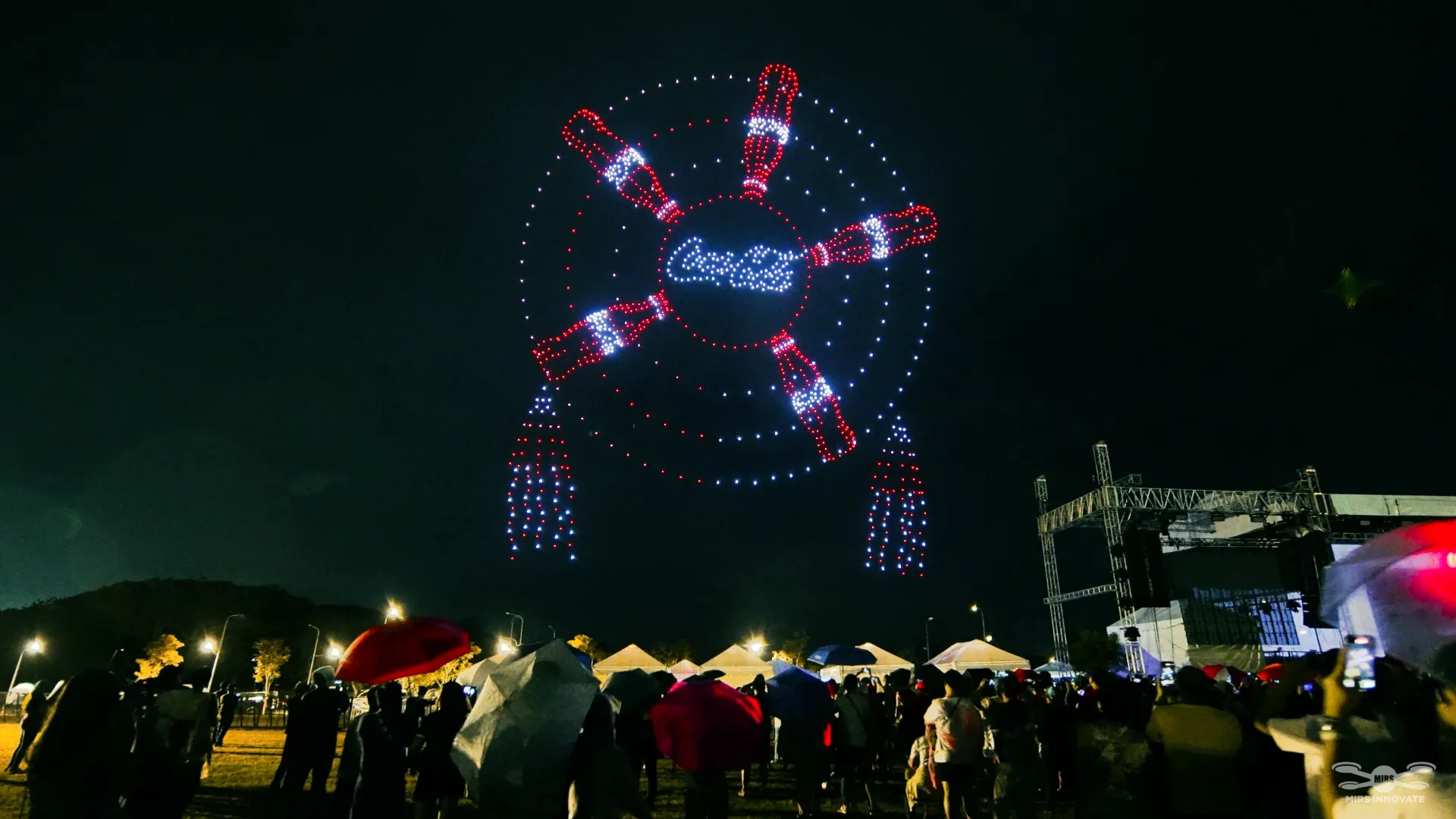
A product launch has a short window to earn attention. The audience is gathered, cameras are ready, and brands are competing for the same moment. Knowing how to launch products with drones means treating the aerial reveal as part of the launch, not an add-on. A well-planned show can give guests a clear moment to look up, record, and remember.
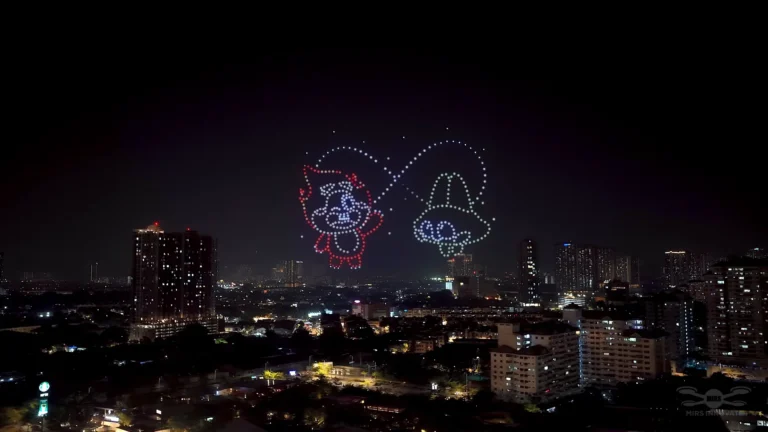
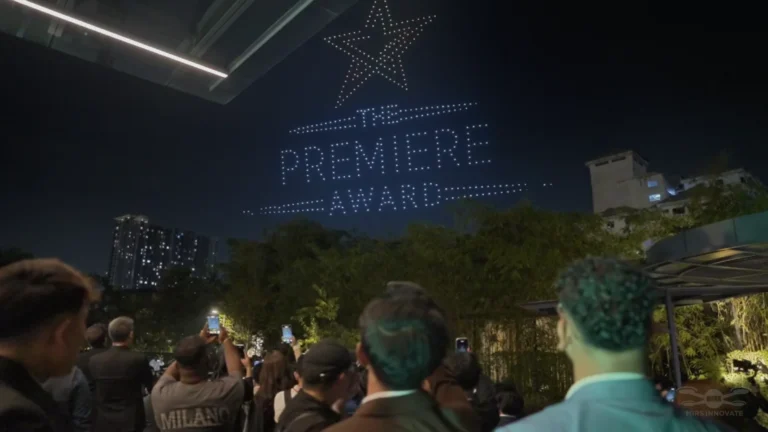
A custom drone light show can reveal a new logo, form the product itself in three dimensions, count down to a release, or animate the story behind an innovation. Done well, it gives guests a reason to stop, record, post, and talk about the launch long after the event ends.
Start With the Launch Moment, Not the Drone Fleet
The strongest drone launches begin with a clear business objective. Is the priority media attention, a premium experience for VIP customers, a public spectacle that brings people to a destination, or an internal moment that gives employees confidence in a new direction? The answer shapes every creative and production decision.
A mass-market consumer launch may benefit from a bold, instantly recognizable product outline and a campaign hashtag rendered in the sky. A luxury launch may call for restraint: elegant motion, a dramatic pause, and a refined visual reveal after dark. For a tourism board or government-backed launch, the narrative may need to connect the new product to place, culture, or national ambition.
The drone show should not feel like an added attraction scheduled between speeches. It should be the visual peak of the program. Build the event run-of-show around the moment the product appears overhead, then let the onstage reveal, music, lighting, and audience sightlines support it.
How to Launch Products With Drones: Build a Story Arc
A fleet can form almost any approved image, but a launch succeeds because of sequence. A static logo is useful. A logo that emerges from a cinematic story is far more powerful.
Start with the tension your product resolves. A new electric vehicle might begin with kinetic lines suggesting speed and energy, then assemble into the vehicle silhouette before revealing its name. A technology product might move from abstract data points to an animated interface, a key feature, and finally the full brand mark. A beverage or beauty launch can use color, motion, and playful transformations to create a distinct campaign world overhead.
The best sequences are concise enough for a live audience to follow in real time. Viewers should understand the core idea without needing a screen explanation. In most cases, a focused narrative with several high-impact formations creates more recall than trying to show every product feature in the sky.
Timing matters as much as imagery. A countdown can build anticipation, but it only works when the audience knows what they are counting toward. A strong approach is to use a presenter, soundtrack, or screen content to establish the promise of the product, then let the drones deliver the visual proof at the exact emotional peak.
Pair the Sky Reveal With a Physical Product Moment
Drone light shows are at their best when they elevate a physical reveal rather than replace it. If guests need to touch, test, photograph, or purchase the product, coordinate the aerial performance with a stage entrance, display unveiling, pop-up experience, or live demonstration.
For example, the fleet can form an animated product silhouette above the venue while the actual product emerges below. The sky tells the brand story at monumental scale; the stage makes it tangible. This pairing is particularly effective for automotive, technology, fashion, hospitality, and luxury launches where spectacle must lead naturally into engagement.
Design for Cameras as Well as the Crowd
A launch drone show has two audiences: the people on site and the much larger audience that will see it through social posts, press photography, broadcast footage, and recap video. Design for both from the beginning.
Keep critical formations legible from the planned viewing area. Fine details can be impressive in a design rendering but disappear from a distance or on a phone screen. Bold shapes, clean typography, high contrast, and deliberate pacing translate better across live and digital channels.
Create intentional filming positions before the event. Wide shots establish the scale of the drone fleet against the venue or skyline. Closer shots capture faces, reactions, and the relationship between the physical product and the aerial display. A single vertical video showing the product reveal, crowd response, and sky formation can become the asset that carries the launch across social platforms.
This is where the production team, creative agency, brand team, and content crew must work as one. A show designed in isolation may still look beautiful. A show designed around campaign content can generate launch material with real life beyond one evening.
Choose the Right Venue and Launch Window
Drone shows require a site that supports safe operations, clear audience viewing, and the intended visual impact. Waterfronts, stadium precincts, resort grounds, beaches, public parks, rooftop venues, and large private estates can all work, but each comes with different airspace, crowd-management, and logistics considerations.
Darkness is usually essential for maximum effect. That means product launches scheduled near sunset need realistic timing for guest arrival, presentations, dinner service, and the reveal itself. In some markets, twilight can still provide a dramatic backdrop, while a fully dark sky delivers stronger LED visibility and cleaner video.
Weather is also a real production factor, not a footnote. Wind, rain, visibility, and local conditions can affect an aerial performance. A premium launch plan includes a weather decision process, backup event programming, and a production partner that evaluates the venue early rather than making promises before the operational facts are known.
Make Permits and Safety Part of the Creative Plan
The most ambitious product launch ideas only matter if they can be delivered safely and legally. Airspace coordination, aviation approvals, local permits, site access, flight boundaries, security, and emergency procedures should be addressed during concept development, not in the final week before the event.
This is especially important for launches in city centers, near airports, around major landmarks, or during public festivals. The available airspace may influence flight altitude, show duration, launch position, audience placement, and the types of formations that are practical.
An experienced drone show producer turns these constraints into a workable production strategy. MIRS Drone Show manages creative development alongside operational planning, helping clients move from a bold visual ambition to a controlled, event-ready aerial performance. That integrated approach protects the launch experience from avoidable surprises.
Use Scale With Purpose
More drones can create larger formations, richer animation, and greater visual density. But scale is not the only measure of impact. A smaller fleet with a strong concept can command attention at a private luxury event, while a large public launch may require hundreds or more drones to fill the skyline and reach a distant crowd.
The right fleet size depends on the product, venue, audience footprint, desired imagery, and content goals. If the product has a distinctive silhouette or a simple iconic mark, clarity may matter more than complexity. If the brand needs a cinematic story with multiple transformations, 3D objects, and animated sequences, the fleet and show duration need to support that ambition.
Avoid treating the drone count as a status symbol. Treat it as a creative and operational tool. The question is not how many lights can be put in the air. The question is what scale will make the brand feel impossible to ignore.
Extend the Launch Beyond One Night
A drone show can create an extraordinary launch moment, but its commercial value grows when it is planned as a content engine. Before the event, build anticipation with behind-the-scenes teasers, close-up product details, or a simple invitation to look up. During the show, give guests a clear prompt for sharing without interrupting the experience. Afterward, release edited hero footage quickly while excitement is still high.
Consider how the aerial visuals can support the wider campaign. The same formation language may appear in launch films, event graphics, digital ads, retail displays, and press materials. This continuity gives the campaign a recognizable visual signature rather than treating the live show as a one-off expense.
Measure results against the goal established at the start. Track earned media, social reach, video views, event attendance, guest sentiment, lead generation, or sales activity where appropriate. Not every launch needs the same metric. A public spectacle may prioritize reach, while a closed VIP reveal may prioritize relationships, press access, and buyer confidence.
The most effective product launches do not simply tell people that something new has arrived. They create a scene people feel compelled to witness. Give your audience a reason to look up, capture the moment, and carry your product story forward.
Frequently Asked Questions About Product Launch Drone Shows
Can drones reveal a new product in the sky?
Yes. A drone fleet can form a product silhouette, a logo, a countdown, or an animated sequence that leads into a stage or display reveal. The creative approach should match the venue, sightlines, and event schedule.
How many drones are needed for a product launch?
The right fleet size depends on the product shape, the level of animation, audience distance, available airspace, and the desired scale of the finale. A clear concept matters more than choosing a fleet size by number alone.
When should the drone show happen during a launch?
Most launches work best when the aerial reveal is timed with the main announcement, product entrance, or final programme moment. Guests need a clear viewing direction and enough time to recognise the formation.
How early should a brand plan a drone launch?
Start early enough to assess the venue, airspace, approvals, safety planning, creative development, and run-of-show. Earlier planning gives the creative and operational teams more room to design a show that fits the event.
Plan a Product Launch Drone Show
For a product reveal designed around your venue, audience, and launch schedule, talk to MIRS Drone Show about your event. You can also explore our drone show services before building the brief.
Related Reading
Planning a drone show?
MIRS Drone Show creates bespoke drone light shows for corporate events, launches, celebrations and festivals, with creative and operational planning tailored to each venue and project.