


Fireworks vs Drone Shows: Why Event Producers Are Switching
Fireworks vs drone shows: compare safety, branding, permits, noise, cost, and audience impact to choose the right spectacle for your event.
The moment before a headline event matters. Guests are watching, cameras are up, sponsors want visibility, and the finale has to justify the budget. Fireworks vs drone shows has become a serious planning question for brands, cities, festivals, and luxury event producers. This comes down to control, safety, storytelling, and what kind of memory you want the audience to take home.
For some events, fireworks still deliver exactly the right emotional hit. For others, drone shows have become the more strategic choice because they turn the sky into a programmed canvas.
The Real Difference Between Fireworks and Drone Shows
On the surface, both formats are spectacle. Both can stop a crowd, create anticipation, and signal that a moment matters. They achieve that effect in very different ways.
Fireworks are built around explosive force, color bursts, and a short-lived emotional crescendo. Their strength is visceral energy. A large pyrotechnic display feels immediate, loud, and ceremonial. For national holidays and certain cultural celebrations, that tradition still carries weight.
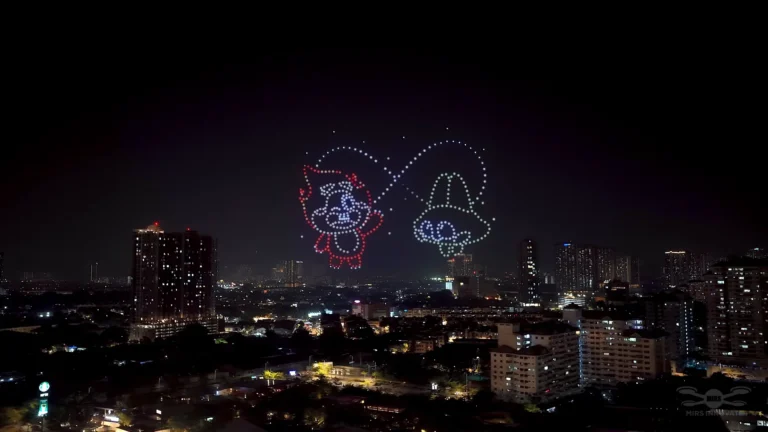
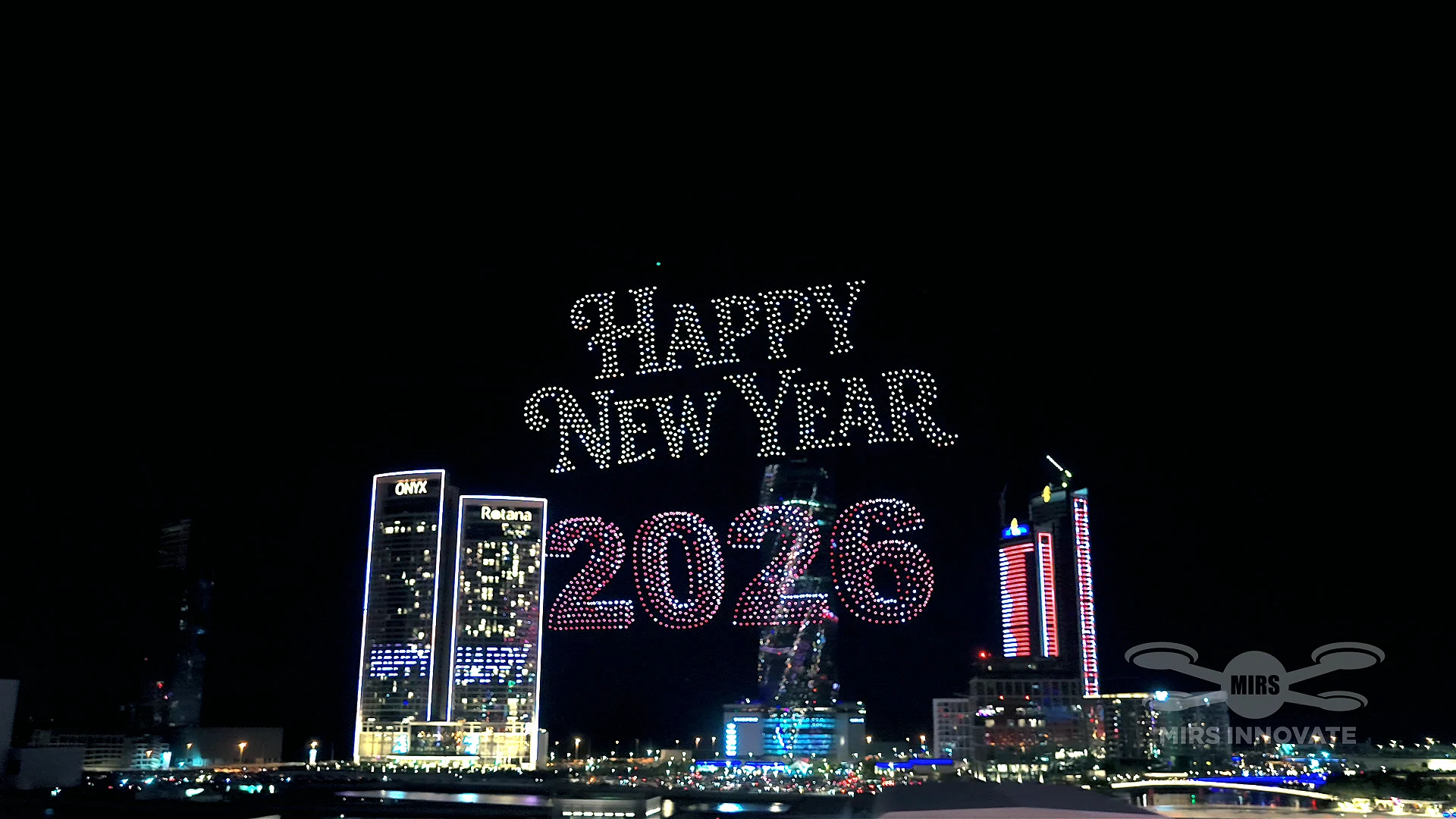
Drone shows operate more like aerial cinema. Hundreds or thousands of illuminated drones move in precise coordination to form logos, messages, characters, symbols, and animated sequences across the night sky. The effect is less about shock and more about visual authorship. You are directing light, not just launching it.
That distinction matters to decision-makers. If your event goal is simple celebration, fireworks may be enough. If your event goal includes brand identity, media capture, sponsor integration, or a narrative reveal, drones open a much wider creative field.
The Biggest Difference Is Control
Event producers buy predictability, not just spectacle.
Fireworks are choreographed, but once launched, the control window is limited. You can plan the sequence, but the medium itself is volatile. Wind, fallout zones, fire risk, and site restrictions shape what is possible before the first shell even leaves the ground.
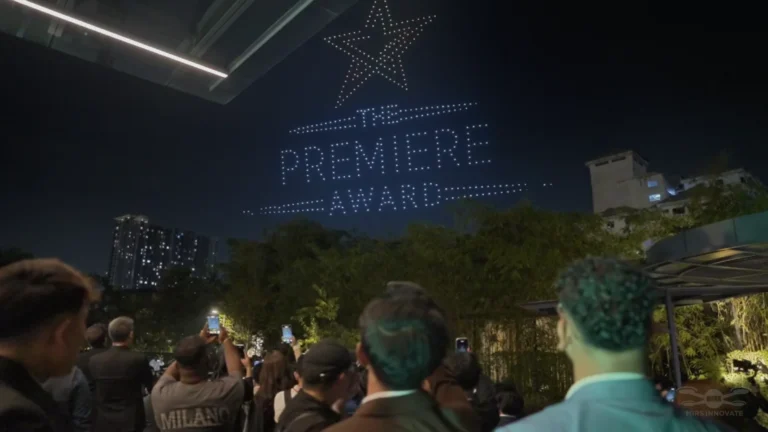
Drone shows offer a different level of precision. Flight paths, formations, timing, brightness, spacing, and transitions are programmed in advance and executed with engineering discipline. The creative result is dramatic and highly intentional. A tourism board can display a city icon. A global brand can animate a product launch. A private client can put initials, a crest, or a story arc into the sky.
For executive stakeholders, that control changes the conversation. The aerial show stops being a generic finale and becomes a branded media asset.
Audience Impact Goes Beyond Noise
Fireworks have one obvious advantage: raw sensory force. The thunder, the flash, the scale, and the smell all create a classic emotional surge. For pure dramatic release, fireworks remain effective.
Modern audiences are not impressed by noise alone, though. They film everything. They share what feels original. They remember what was made for that moment.
Drone shows perform extremely well in that environment because they are designed for visual recognition. A skyline animation, a moving brand mark, a national emblem, or a 3D sequence is instantly more legible on camera than a burst pattern that disappears in seconds. That makes drone shows particularly strong for product launches, destination marketing, sports ceremonies, public celebrations, and luxury weddings where social amplification matters.
A spectacular ending is valuable. A spectacular ending that also carries your message is worth more. That reframes fireworks vs drone shows as a question of relevance, not tradition.
Safety and Site Restrictions Change the Equation
For public events, safety is never a side issue. It shapes every approval, every insurance conversation, and every production decision.
Fireworks bring real operational constraints. They involve explosives, fallout areas, fire hazards, smoke, debris, and significant setback requirements. In dry climates, urban settings, waterfront districts, and densely attended public spaces, those factors can narrow venue options quickly.
Drone shows are not free from regulation, and any serious production partner will treat airspace, weather, pilot protocols, and safety perimeters with rigor. They generally avoid many of the hazards that make fireworks difficult to approve in sensitive environments. There is no explosive detonation over the audience area, no spent pyrotechnic material falling from the sky, and no same-scale fire exposure.
For municipalities, resorts, mixed-use developments, and luxury venues, that difference can be decisive. Building a premium aerial moment around controlled technology is often more straightforward than managing the permitting requirements of combustion.
Noise, Community Impact, and Public Sentiment
Many events take place near hotels, residential zones, historic districts, animal habitats, or high-density urban centers. In those environments, noise is not a small issue. It affects guest comfort, community relations, and permitting confidence.
Fireworks are loud by nature. For some audiences, that is part of the appeal. For others, it is a liability. Complaints related to pets, wildlife, veterans, children, and nearby residents are increasingly common, especially for recurring public events.
Drone shows create visual drama with far less noise impact. That expands where and how spectacle can happen. A destination can host a major visual event while reducing disruption to the surrounding area. A luxury property can stage an aerial show that feels elevated rather than chaotic. For organizers under pressure to deliver attendance without backlash, that matters.
Branding Is Where Drone Shows Pull Ahead
A firework can reflect a mood. A drone show can communicate a message.
Drone formations can display logos, taglines, product silhouettes, mascots, national symbols, and timed story sequences with remarkable clarity. The show becomes custom content, not just entertainment.
That makes drone shows especially powerful for brands launching products, governments celebrating milestones, tourism authorities promoting destinations, and event agencies building sponsor value into live experiences. The audience sees a spectacle. The client gets a branded visual system in the sky.
Premium drone productions also tend to generate strong press photography and social media pickup. The imagery is unmistakably tied to the organizer. A custom aerial animation is hard to confuse with anyone else’s event.
How the Costs Compare
Cost comparisons often become too simplistic too quickly.
Comparing a small fireworks display to a large custom drone production will make fireworks appear cheaper. That is not a meaningful comparison. Budget depends on event scale, creative complexity, location, airspace conditions, permitting, fleet size, and production standards.
The better question is: what are you buying?
With fireworks, you are primarily buying impact in the moment. With drone shows, you are buying impact plus customization, replay value, sponsor integration, media clarity, and stronger alignment with modern event objectives. For many high-visibility clients, that broader return justifies the investment.
The total production picture can also shift in practice. If fireworks require wider safety zones, additional site controls, or stricter local restrictions, the apparent price advantage narrows. If a drone show delivers the centerpiece while solving branding and public sensitivity issues simultaneously, it creates more value across the event as a whole.
Fireworks vs Drone Shows for Different Event Types
The right choice depends on the event you are producing.
For civic celebrations rooted in tradition, fireworks may still be the preferred language. They can feel ceremonial, familiar, and culturally expected.
For brand launches, destination campaigns, sports presentations, luxury private events, and public spectacles designed for media visibility, drone shows usually offer more strategic upside. They can be tailored to the audience, the sponsor, the location, and the story you need to tell.
Some organizers also explore hybrid formats. That can work when the site, budget, and permitting path support both mediums. Hybrid only succeeds when the creative direction is disciplined. More effects do not automatically mean a better show.
A premium production partner should guide that decision based on venue realities, audience goals, and visual objectives. That is where an experienced operator like MIRS Drone Show makes the difference between a beautiful idea and a flawlessly executed event asset.
Making the Right Choice for Your Event
If you want a traditional burst of celebration, fireworks still have their place.
If you want precision, brand visibility, lower noise, strong visual storytelling, and a finale that reads clearly in person and on every screen pointed at it, drone shows are increasingly the stronger choice.
The most successful event producers are not asking which format is more impressive in the abstract. They are asking which one better serves the moment, the audience, the approvals process, and the legacy of the event itself. When the sky is part of your stage, the format that gives you authorship over the moment is the one worth choosing.
Planning a drone show?
MIRS Drone Show creates bespoke drone light shows for corporate events, launches, celebrations and festivals, with creative and operational planning tailored to each venue and project.