



How to Coordinate Event Airspace Safely
Learn how to coordinate event airspace for a drone show with clear zones, permits, safety planning, and operational control for a flawless live spectacle.
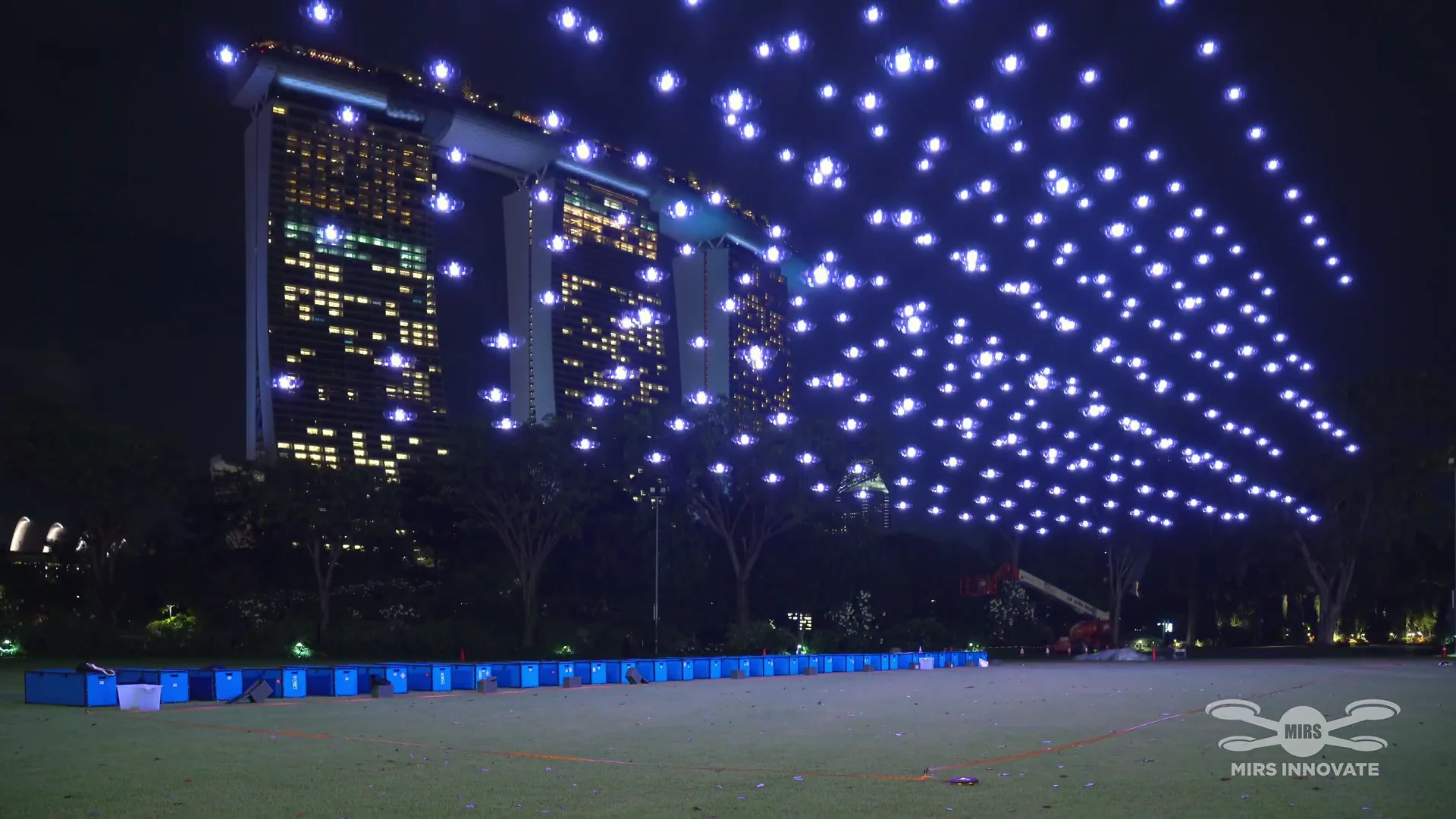
A drone show can transform a launch, national celebration, festival, or luxury private event into the image everyone shares the next morning. But the sky above your venue is not an empty stage. Learning how to coordinate event airspace means treating that space with the same discipline applied to a concert stage, a broadcast compound, or a major public roadway: mapped, protected, authorized, and actively managed.
For event leaders, airspace coordination is not a paperwork exercise that happens after the creative is approved. It shapes where the audience stands, where the drones launch, how the show is timed, what visual scale is possible, and whether the experience can be delivered with confidence. The strongest productions make this work invisible to guests while making it central to planning.
Start With the Event, Not the Flight Plan
Every airspace plan begins with the event’s real operating picture. A waterfront countdown, a stadium concert, a city-center brand activation, and a resort wedding may all feature drones, yet they present very different aviation and crowd-management conditions.
Define the venue footprint, anticipated attendance, show time, intended viewing direction, nearby buildings, temporary structures, emergency access routes, and all other aerial activity. That last point is frequently underestimated. News helicopters, sightseeing aircraft, construction cranes, venue lighting rigs, fireworks, tethered balloons, and even nearby drone operations can all affect the available operating area.
The creative concept belongs in this conversation early. A formation designed to read clearly from a grandstand requires a different flight volume than a 3D sequence intended for viewers spread across a public plaza. If a logo must appear over a particular landmark, the production team needs to assess whether the desired orientation, altitude, and launch position are realistic before the animation is finalized.
This is where premium event planning becomes more than booking a spectacle. It becomes experience design with operational intelligence behind it.
How to Coordinate Event Airspace in the Right Order
Airspace coordination works best as a sequence, not a last-minute request for approval. The exact process depends on the country, local aviation authority, venue, and event scale, but the planning logic remains consistent.
Build a complete site and airspace picture
A qualified operator starts by surveying the location and identifying relevant aviation constraints. These may include controlled airspace, airports, heliports, military facilities, hospitals with helicopter operations, restricted zones, protected areas, and local height limitations. Temporary conditions also matter. A major sporting event, VIP movement, emergency incident, or public security operation can change the operating environment quickly.
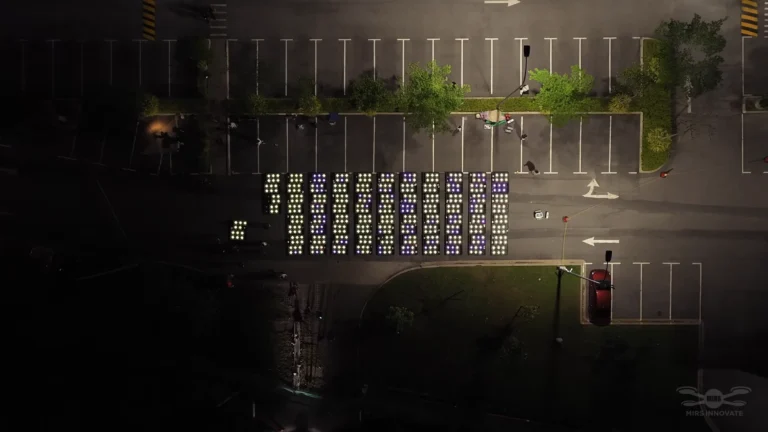
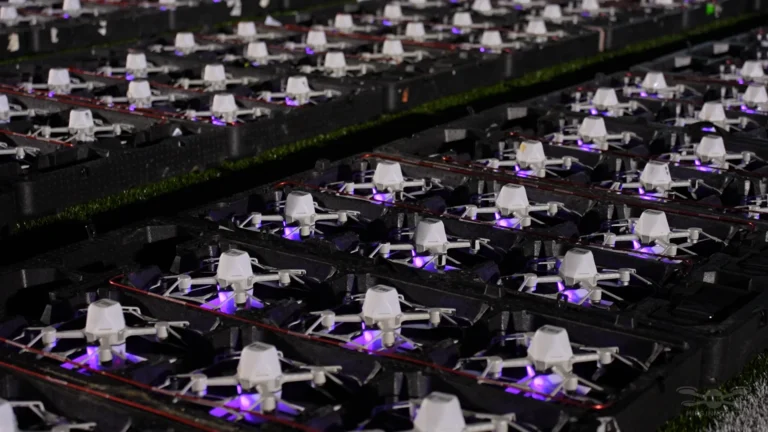
The site assessment should establish the proposed launch and recovery area, the drone performance volume, audience viewing zones, sterile areas, and contingency landing options. It should also account for terrain and obstacles. A hill behind the crowd may improve sightlines but complicate radio coverage. A beautiful waterfront may provide a dramatic backdrop while introducing wind exposure and limited recovery options.
Engage authorities before commitments are locked
Permission pathways vary widely. Depending on the jurisdiction and operation, an event may require aviation authorizations, local permits, property approvals, police or public-safety coordination, and notification to airport or air traffic stakeholders. Some locations involve multiple authorities with overlapping responsibilities.
The practical lesson is simple: do not market a specific drone show time, location, or fleet scale until the operator has assessed feasibility. A capable production partner can identify the right approval route and build a schedule around it. A promise made too early can force poor compromises later, such as relocating the launch site, reducing the operational area, or changing the performance window.
For high-profile public events, authorities also need a clear view of the wider safety plan. They should understand who is operating the aircraft, how the crowd will be managed, what communication channels will be used, and how the production responds if conditions change.
Separate the audience from the operational zone
A memorable show should feel expansive. Its safety perimeter should feel deliberate.
The launch and recovery area needs controlled access, trained personnel, and protection from curious guests, vehicles, vendors, and unauthorized drones. The performance volume must be designed so the operation remains appropriately separated from spectators, buildings, roads, and other sensitive areas under applicable rules and risk assessments.
This is also a guest-experience decision. A well-designed viewing area faces the visual center of the show, gives people room to gather, preserves accessible routes, and keeps crowd movement away from operational boundaries. When the audience knows exactly where to look, the animation reads with greater scale and impact.
Create one command structure
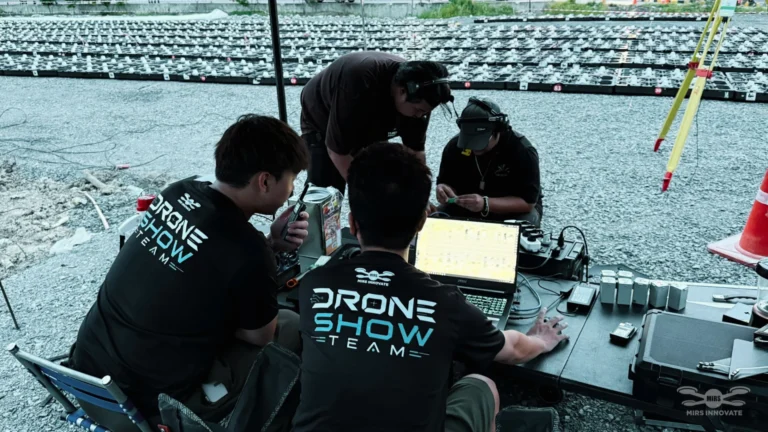
During a live event, fragmented communication creates unnecessary risk. The drone team, event producer, venue operations lead, security manager, public-safety contacts, and show caller need a shared understanding of who can make which decision.
A pre-show briefing should establish the operational timeline, radio or phone channels, access-control procedures, weather thresholds, hold criteria, emergency response steps, and the authority to delay or cancel the flight. This is not pessimism. It is how a premium production protects a major moment.
The show caller should know when the drone crew has completed preflight checks, when the launch area is secure, when the airspace is clear, and when the performance is live. Conversely, the flight team needs immediate visibility into crowd movement, emergency activity, or any new aerial conflict that may affect operations.
Weather Is an Operational Decision, Not a Footnote
Drone light shows are engineered for outdoor performance, but weather still governs the go/no-go decision. Wind, precipitation, visibility, temperature, and approaching storms can influence safe operations. Conditions at ground level are not always the same as conditions at flight altitude, especially near tall buildings, open water, or uneven terrain.
An experienced team establishes weather monitoring and decision thresholds well before event day. The client should understand the contingency plan too. Depending on the format of the event, that may mean moving the show within a defined window, adjusting a sequence, shifting the launch time, or preparing an alternate entertainment moment.
The trade-off is straightforward: forcing an aerial performance into marginal conditions is never worth placing the event, the audience, or the production at risk. A strong operational plan preserves flexibility without diluting the occasion.
Protect the Sky From Unplanned Activity
Unauthorized drones are one of the most common complications at major outdoor events. A guest may launch one for personal footage. A content creator may attempt a closer angle. Another vendor may assume their aerial camera is permitted because they are working on-site.
Make the rule unambiguous: no other aircraft or drones operate in the event area unless they are specifically coordinated and authorized. Communicate it in vendor documents, crew briefings, security instructions, and, when appropriate, attendee messaging. Security teams should know how to identify and escalate a sighting without creating alarm in the crowd.
The same principle applies to aerial filming. If broadcast or social content is part of the plan, coordinate those camera positions and flight activities with the drone show team from the start. The most powerful footage is planned, not improvised inside an active flight environment.
Choose a Turnkey Partner With Real Aviation Discipline
Event organizers should not have to become aviation specialists to produce a landmark aerial show. They should, however, know what credible coordination looks like.
Ask a prospective operator how they assess airspace, manage authorizations, establish safety perimeters, monitor weather, coordinate with public agencies, and handle contingencies. Ask who leads on-site operations and how their team works with your venue, security, and production partners. Clear answers reveal whether the company is built for live-event reality or simply focused on the visual concept.
With a global production partner such as MIRS Drone Show, airspace coordination sits alongside creative design, logistics, synchronization, and on-site execution. That integrated approach matters because a spectacular animation is only as dependable as the operational framework surrounding it.
Make the Audience Experience Better Through Better Coordination
The best airspace plans do more than satisfy requirements. They improve the show itself. A protected flight volume gives formations room to breathe. A properly oriented crowd zone makes brand marks and messages easier to read. A coordinated schedule prevents competing light, sound, and aerial elements from weakening the reveal.
For public celebrations, this can mean designing the entire event site around a shared skyward moment. For a brand launch, it can mean placing the audience and cameras where a product reveal becomes instantly recognizable in both person and video. For private clients, it can mean creating a polished experience that feels effortless, even when significant planning is happening beyond the guest perimeter.
The sky is a powerful canvas, but it rewards preparation. Give airspace coordination a seat at the first planning meeting, and your drone show has the room, authority, and control to become the moment your event is remembered for.
Plan Airspace Coordination With the Event Team
Airspace feasibility should be assessed before the event team commits to a show time, audience layout, or creative scale. Contact MIRS Drone Show to discuss the venue, date, and operational requirements, or see the wider drone show service for production planning context.
Frequently Asked Questions
Who is responsible for coordinating airspace for a drone show?
The qualified drone operator leads the aviation assessment and works with the event producer, venue, property owner, security team, and relevant authorities. Responsibilities should be confirmed early so approvals, site access, and safety controls are coordinated.
When should airspace permissions be considered?
Airspace and permit requirements should be assessed before a venue, show time, launch area, or fleet size is promised publicly. The exact route depends on the jurisdiction, local aviation authority, venue, and event conditions.
Can other drones or aircraft operate during a drone show?
Other aerial activity should not operate in the event area unless it has been specifically coordinated and authorized. This includes filming drones, guest drones, and third-party aerial work.
Related Reading
Planning a drone show?
MIRS Drone Show creates bespoke drone light shows for corporate events, launches, celebrations and festivals, with creative and operational planning tailored to each venue and project.